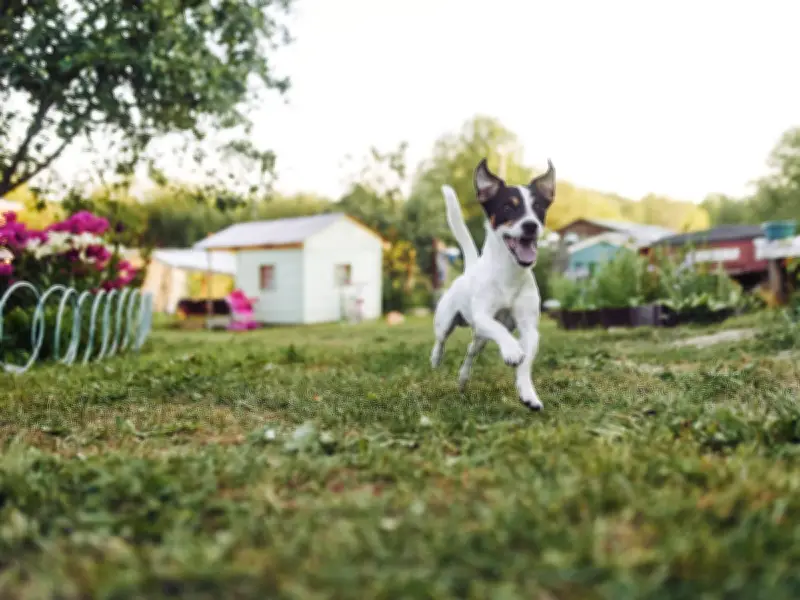
Veterinarian Dr. Ronit Berdugo from SynergyLabs has clarified that while the 'zoomies'—formally known as Frenetic Random Activity Periods (FRAPs)—are typically normal behavior in dogs and cats, certain changes may signal a need for veterinary attention. In an interview with Newsweek, Berdugo explained that zoomies are likely linked to an animal's fight-or-flight response, during which heart rate and blood pressure rise, prompting rapid movement. However, this does not indicate distress.
Normal vs. Concerning Zoomies
Most pets experience zoomies as a way to release built-up energy or excitement, and they usually settle down afterward, returning to their normal selves. Berdugo advises that owners should take note if the behavior changes suddenly, especially in older pets. An increase in frequency, longer episodes, or difficulty calming down could be associated with cognitive dysfunction, pain, or other medical issues.
Key warning signs include alterations in sleep patterns, confusion, trouble moving, or unusual vocalizations. If these accompany the zoomies, a veterinary check-up is recommended. However, if zoomies last only a few minutes and occur in a safe environment, there is generally no cause for concern.
How to Respond Safely
Rather than stopping the zoomies, Berdugo suggests ensuring the pet can engage in them safely. This involves clearing breakable items, blocking sharp edges, and preventing slips on slippery surfaces. Monitoring the overall behavior over time helps determine if a vet visit is necessary.