Living with Lexical-Gustatory Synaesthesia: When Words Taste Like Chocolate or Pears
The woman who tastes words like chocolate and pears

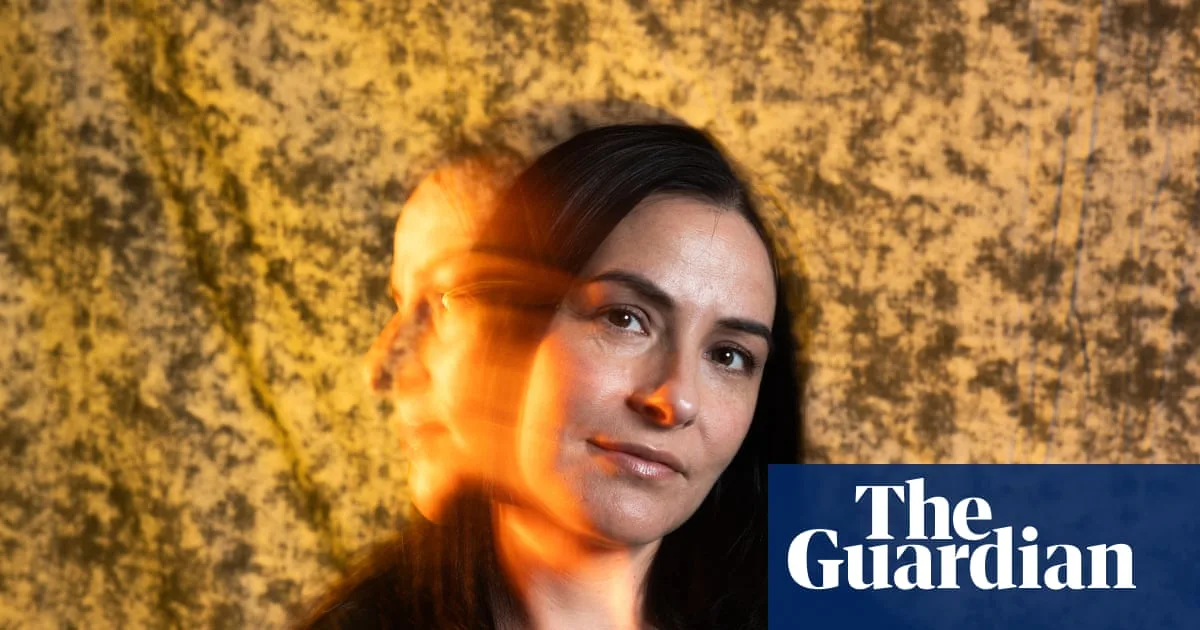
For most people, a name is just a collection of sounds. For Monique Todorovski, it's a full sensory experience, complete with flavour and texture. The clinical administrator lives with an extraordinary neurological condition known as lexical-gustatory synaesthesia, where hearing words or sounds involuntarily triggers specific taste sensations.

A World of Flavoured Words

Monique's unique perception means every interaction comes with an unexpected gustatory layer. Researchers estimate this rare form of synaesthesia affects just 0.2% of the population. For her, the name 'Bob' conjures the distinct taste of a milk chocolate Easter egg melting on her tongue. Conversely, 'Adrian' unpleasantly evokes the chemical tang of toilet cleaner, though she thankfully doesn't physically taste it.

This condition even influenced her personal life in profound ways. When she met her future husband, she found herself conflicted. "I liked him as a person but his name tasted like crunchy green pears and I don't like green pears at all," Monique explains. Her solution was a compromise rooted in flavour: she calls him Phil, which to her tastes more like a sweeter, stewed pear.

The Journey to Diagnosis

For years, Monique's unusual associations drew puzzled looks from family and friends, leaving her without an explanation for her experiences. The pivotal moment of understanding came at age 28 during a visit to the Melbourne Museum. Stumbling upon an exhibition about synaesthesia, she had a revelation. "My brain lit up. I yelled out to my parents, this is me, this is what I have!" she recalls. Although the display didn't specifically mention her taste-based form, she instantly recognised her own condition.

Her synaesthesia manifests in two ways, which is uncommon. Some lexical-gustatory synaesthetes simply see images of food when they hear certain words. Others, like Monique, experience an actual phantom taste on their tongue. She exhibits both types depending on the word.

Navigating Life with a Tasting Brain

Choosing names for her children presented a unique challenge. Her son's name, Lucas, tastes like a very ripe, mashed banana—a texture she finds acceptable. Selecting her daughter's name required more care. The spelling 'Alyssa' was settled on because it conjures a comforting image of autumn leaves falling, unlike the variant 'Elissa', which unpleasantly brings to mind a blister. Monique notes she can feel the 'crunch' of Alyssa's name, even if she doesn't taste it.

Daily life is filled with these sensory intrusions. She avoids saying 'Chewings Street', the name of her first home, as it tastes like flavourless chewing gum. The word 'fellow', however, feels soft and pillowy, like marshmallows in her hand. While not particularly useful day-to-day, it makes for a fascinating party trick, with friends often calling to ask what taste their companions' names evoke.

Over the past decade, online communities like Synaesthesia World have helped Monique connect with others and better understand her own mind. She has conversed with people who have various forms, such as grapheme-colour or auditory-visual synaesthesia, but she has yet to meet another lexical-gustatory synaesthete in person. She imagines such a meeting would be a fascinating conversation, provided, of course, they have a pleasantly tasting name.

Monique's story, assisted by cognitive neuroscientist Professor Anina Rich of Macquarie University's Synaesthesia Research Group, offers a captivating glimpse into the diverse ways human brains can perceive the world, blending senses in ways that are as challenging as they are wondrous.




