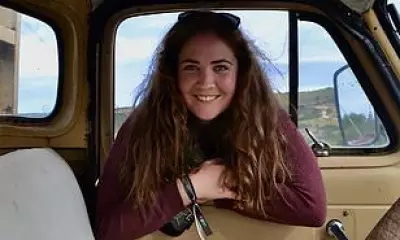
Shona McGarty Advocates for Mental Health Support in New NHS Campaign
Former EastEnders actress and I'm A Celebrity star Shona McGarty has publicly endorsed a crucial NHS mental health initiative, urging individuals grappling with anxiety to seek professional assistance. Her heartfelt plea coincides with NHS England's stark revelation that millions of adults suffering from debilitating anxiety conditions are not accessing treatments that could facilitate their recovery.
Personal Struggle with Social Anxiety
McGarty shared her deeply personal experience with social anxiety, describing how it profoundly impacted her life from adolescence. "I was always a chatty child, but as I got older, everything changed. Around 15, I suddenly became painfully self-aware," she recounted. The actress explained that she began overthinking and struggled to maintain conversations, despite talking being an integral part of her profession.
"My social anxiety would happen when meeting new people, with colleagues or even at family gatherings. My heart would race, my hands would sweat, and sometimes I thought I might faint," McGarty disclosed. She admitted to occasionally pretending to receive phone calls merely to exit uncomfortable social situations, with comments labeling her as "shy" or "quiet" causing significant emotional distress.

Overcoming Anxiety Through Coping Strategies
Now significantly removed from that level of panic, McGarty attributes her improvement to learning effective coping mechanisms. "One thing that helps is imagining a little devil on my shoulder. I acknowledge it, and then I answer back: 'Thank you, but you're wrong. I'm in control. I'm safe'," she described. This technique helps her counter negative thoughts, reinforcing that people are generally listening because they want to hear her speak, not judging her.
However, McGarty emphasized that the most substantial aid has been open dialogue. "Acknowledging social anxiety instead of fighting it. You'd be amazed at how many people feel the same way. A problem shared really is a problem halved," she affirmed, encouraging others to break the silence surrounding mental health struggles.
NHS Data Reveals Treatment Gap
NHS England's analysis of healthcare data indicates that while over 670,000 individuals received treatment through NHS Talking Therapies last year, millions more are still missing out on vital support. In response, a new campaign has been launched, urging people with six common anxiety conditions—including post-traumatic stress disorder (PTSD), social anxiety, and obsessive compulsive disorder (OCD)—to come forward for help by self-referring online at nhs.uk/talk.
A survey conducted for the campaign, involving more than 2,000 adults, uncovered concerning trends: 58% would delay seeking treatment because they feel their conditions are "not serious enough," and 21% avoid seeking help entirely. These statistics highlight a critical need for increased awareness and accessibility.
Celebrity Support and Success Stories
The Only Way Is Essex star Charlie King also backs the campaign, sharing his transformative journey with body dysmorphic disorder (BDD). "The London Landmarks Half Marathon was a real turning point for me," King revealed. He described becoming reclusive at his worst, hiding behind caps and avoiding mirrors, but therapy provided him with understanding and tools to manage his condition.
"Crossing that finish line was the first time in a long time that I felt proud of myself," King expressed, drawing parallels between his recovery and the marathon's incremental progress. "None of this would have been possible without therapy, and I am really proud of taking the first step," he added, underscoring the life-changing potential of seeking help.
Expert Insight on NHS Talking Therapies
Dr. Adrian James, NHS England's national medical director for mental health and neurodiversity, commented on the initiative. "While it's encouraging that thousands more people facing mental health conditions are accessing NHS support than before the pandemic, we know that millions more could benefit from vital NHS Talking Therapies," he stated.

Dr. James described the campaign as a "critical step" to ensure everyone struggling with common conditions like anxiety and PTSD knows support is available. "Through proven treatment and support available for free on the NHS, these conditions can be overcome to help people return to work, regain confidence or feel back to their old selves in social situations," he assured.
The medical director reinforced the accessibility of these services, stating, "Our message is clear, if you're struggling with your mental health, NHS Talking Therapies are here for you, and you can either self-refer or speak with your local GP practice."
NHS Talking Therapies are specifically designed to offer practical skills and techniques to help individuals overcome a range of mental health conditions, including OCD, social anxiety disorder, PTSD, panic disorder, body dysmorphic disorder, and phobias. This comprehensive approach aims to empower people to manage their symptoms effectively and improve their overall quality of life.