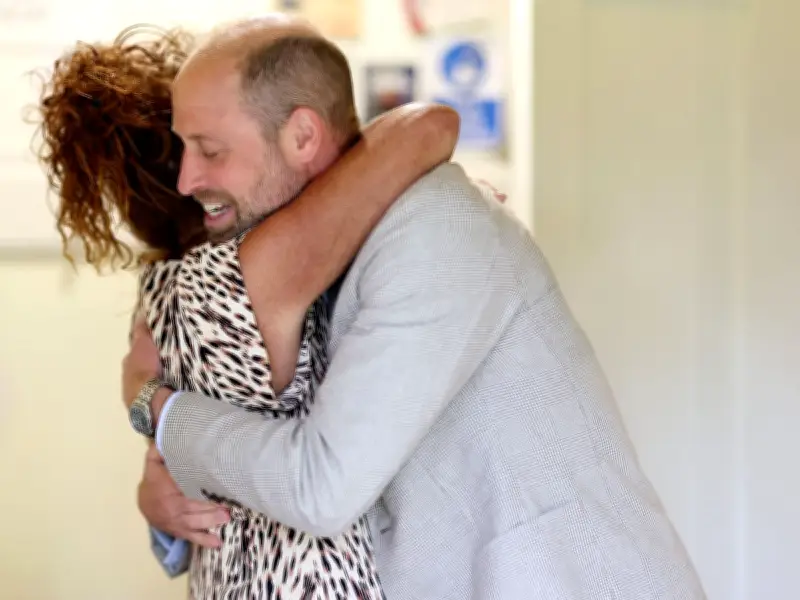
Prince William, the Prince of Wales, traveled to Norfolk for a series of engagements on Thursday, including a visit to a mental health organization he and Princess Kate help fund. At Norfolk and Waveney Mind, located in Anmer Social Club's Community Hall on the King's Sandringham estate, William heard how the charity provides vital support to local people, including those working on the royal estate.
Lifeline for Rural Communities
The Prince hugged staff and spoke with a 71-year-old man who said, "Mind have become a sort of family. It's good to be able to talk… and deal with real people, caring people, people you trust." The community groups offer a safe, non-judgmental space for attendees to build supportive relationships during difficult periods.
Pilot Programme Co-Funded by William and Kate
Last year, Norfolk and Waveney Mind launched a pilot programme co-funded by the Prince and Princess of Wales, who have a country retreat nearby. The initiative provides proactive outreach and preventative support, including one-to-one counselling, parent-and-toddler groups, and menopause support groups. William hopes it becomes a blueprint for other rural estates across the UK.
Arriving in pouring rain, William met with service providers and attendees. Speaking to a menopausal support group, he emphasized the importance of laughter, saying, "That is the important thing, laughter is important too. Laughter is a great source, a benefit."
Addressing Post-Pandemic Isolation
William discussed the impact of COVID-19, noting, "When covid came along it was very much like a door shutting… we haven't had the same post covid where everybody is saying right get back out again." One woman agreed, saying, "It's more insular definitely. It's hard to get people out and joining but once they're there."
At a men's group, William comforted Paul Gannon, 71, who became emotional while describing the support he received. "These guys are amazing, they really are," Gannon said. William placed his hand on his shoulder, telling him, "Don't worry, take your time on it. I'll talk until you're ready to say anything."
Breaking the Stigma
William explained why he and Kate launched the pilot, citing concerns about worsening isolation since the pandemic. Mark Beck, a recovery worker, noted that men often struggle to open up due to generational stigma but added, "What we have seen is that some of the benefits of the younger generation being much more open about mental health does seem to be working its way up." William responded, "Good. The next generation encouraging the older generation."
Gannon shared his personal journey, saying, "I have had PTSD issues which have really come back to haunt me. It's good to be able to talk, and not just go onto antidepressants but actually to deal with real people, caring people, people you trust." When asked what would have happened without the group, he said, "I think things would have been very different. I was in a very dark place… Mind have helped me re-establish a new career at 71."
Future Plans
William asked about key takeaways from the pilot. Beck emphasized promotion, destigmatising, and having good advocates. "Getting people in is actually the hardest bit," he said. Before departing, William privately met individuals who received one-to-one counselling. Since its inception, the programme has served 2,402 participants, with early feedback highlighting the effectiveness of venue choices and new networks built among attendees.