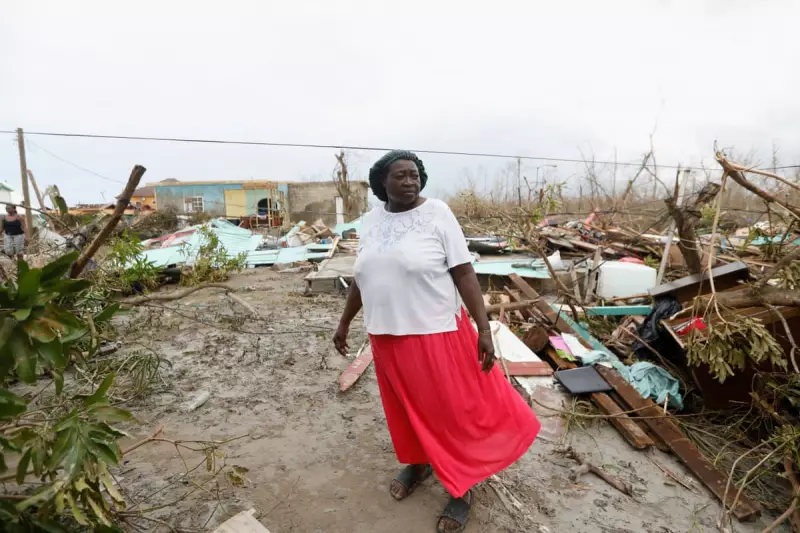
The catastrophic force of Hurricane Melissa, which tore across Jamaica in early December 2024, left a landscape of shattered homes and flooded streets. Yet, beneath the visible wreckage lies a deeper, more insidious crisis: a surge in psychological trauma that experts warn could define the island's recovery for years to come.
The Storm's Emotional Aftermath
When the Category 4 hurricane made landfall, its 150 mph winds were only the beginning of the ordeal. For days, communities were subjected to terrifying noise, the threat of structural collapse, and the anguish of helplessness. Dr. Geoffrey Walcott, a consultant psychiatrist at the University of the West Indies, describes the event as a collective psychological shock. "The sensory overload was immense," he states. "The constant roaring, the feeling of your house straining—it creates a primal fear that doesn't just switch off when the sun comes out."
Initial assessments by health teams and organisations like the Mental Health and Suicide Prevention Helpline Jamaica confirm a sharp increase in distress calls. Symptoms reported include severe anxiety, insomnia, flashbacks, and a pervasive sense of despair, particularly among those who lost loved ones, livelihoods, or entire homes. The trauma is not limited to the event itself; the ongoing stress of displacement, living in crowded shelters, and facing an uncertain future compounds the emotional toll daily.

A System Under Strain
Jamaica's mental health infrastructure, already stretched thin before the disaster, is now facing an unprecedented challenge. There is a critical shortage of trained professionals, with only a handful of clinical psychologists serving the entire public health system. Community-based support, crucial in the wake of such a widespread event, is fragmented and under-resourced.
"We are seeing classic symptoms of post-traumatic stress disorder (PTSD), acute stress reaction, and exacerbated pre-existing conditions," explains Dr. Walcott. He emphasises that without timely intervention, these acute reactions can solidify into chronic mental health disorders, affecting individuals' ability to rebuild their lives and communities. The crisis has exposed a stark gap in disaster preparedness plans, which have historically focused on physical reconstruction while neglecting psychological first aid and long-term mental health support.
Voices from the Ground
In the hard-hit parish of St. Thomas, residents speak of an emotional devastation that mirrors the physical destruction. Stories emerge of parents struggling to soothe terrified children, of elderly individuals feeling utterly abandoned, and of frontline workers themselves experiencing burnout and secondary trauma. The loss of community landmarks—churches, schools, local shops—has eroded the social fabric that normally provides crucial emotional support during hard times.
The Long Road to Recovery
Experts are unanimous in their call for a paradigm shift in how disaster response is conceived. They advocate for integrating mental health and psychosocial support (MHPSS) from the very first phase of emergency relief. This means training shelter managers and first responders to recognise signs of psychological distress, deploying mobile counselling units, and launching public awareness campaigns to destigmatise seeking help.
Long-term strategies must include building sustainable local capacity by training community health workers in basic psychological support and ensuring mental health funding is "built back better" into the national health budget. The emotional recovery from Hurricane Melissa will inevitably take far longer than the clearing of debris. As Jamaica rebuilds its infrastructure, the parallel mission to heal its collective psyche represents one of the most urgent, and most human, challenges ahead.