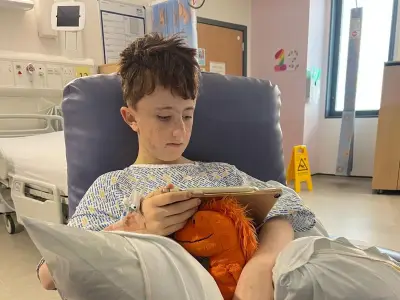
Women with brain tumours are being dismissed as attention-seekers or told they are just tired, leading to delayed diagnosis, according to a report by the Brain Tumour Charity. The charity warns that this delay can be catastrophic for patients.
The findings highlight a broader issue of gender disparity in medical diagnosis. Research shows that women are more likely than men to have their symptoms attributed to depression and anxiety, and face longer waits for proper diagnosis across a range of conditions, including heart disease and cancer.
Cardiologist Nanette K Wenger notes that heart disease is often perceived as a man's disease, leading to underdiagnosis in women. Studies have found that women with heart attacks are less likely to receive timely ECGs and crucial medications, and younger women are more than twice as likely to die from a heart attack than men of the same age.

The problem extends to autism, where girls are diagnosed less frequently than boys, possibly because diagnostic criteria are based on male presentations. Similarly, women with ADHD tend to show less hyperactivity and impulsivity, making the condition harder to spot.
In the UK, around 700 women each year experience delayed diagnosis for bladder or kidney cancer, even when presenting with the same symptoms as men. The report 'The Girl Who Cried Pain' found that women's pain is often characterised as 'emotional' or 'not real', leading to less aggressive treatment.
The Brain Tumour Charity calls for an end to the 'bikini approach' to women's health, which focuses primarily on breasts and reproductive organs, and urges greater awareness of gender differences in disease presentation.