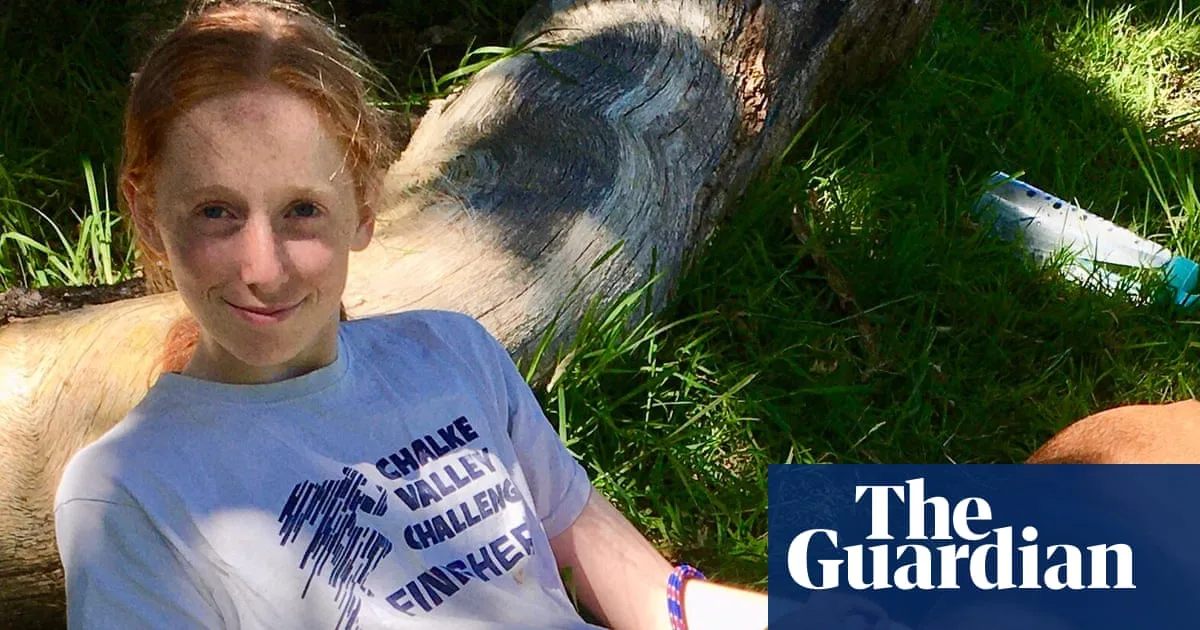
A 14-year-old girl with complex mental health issues was unlawfully killed after an agency support worker failed to keep her under observation at a secure psychiatric unit, an inquest jury has concluded. Ruth Szymankiewicz, who was judged to need constant watching due to suicide risk, was left alone by the worker—who used a false identity—at the privately run Huntercombe hospital near Maidenhead on 12 February 2022. She returned to her room, harmed herself, and died two days later.
The inquest at Beaconsfield heard that the worker, operating under the stolen identity Ebo Acheampong, had never worked at a hospital before being placed in charge of observing Ruth and received no induction before his shift. The jury raised concerns about training of agency staff and said contributing factors included Ruth’s access to harmful materials, lack of therapy while detained under the Mental Health Act, and limited family visits that may have helped her wellbeing.
Ruth’s parents, Kate and Mark Szymankiewicz, a GP and consultant surgeon from Wiltshire, said: “There is an empty space at our table, a silent bedroom in our home, a gaping hole in our family that will never be filled.” They described a system that “locked her away and harmed her” and stressed the need to address wider systemic failures beyond one individual’s conduct.
Health experts highlighted ongoing issues with agency staff and shortages of psychiatric intensive care units for children. Andrew Molodynski, the British Medical Association’s mental health lead, said there was a “gap in accountability” over training and vetting of agency staff, creating a “toxic catch-22” where high-risk units rely most on inexperienced workers. Minesh Patel of the charity Mind called Ruth’s case “a clearcut example of the many systemic issues in our mental health hospitals.”
Dr Gillian Combe, clinical director for the provider group that commissioned Ruth’s placement, said understaffing at Huntercombe still exists and expressed frustration at rules making it hard to build new NHS units, forcing reliance on private facilities. She noted a lack of psychiatric intensive care units for children in south-west England, a situation she linked to Andrew Lansley’s NHS changes. Jodie Anderson of the charity Inquest said the jury’s findings were “a stark indictment of a mental health system that sent a vulnerable child far from home to a private unit with dangerously inadequate care.”