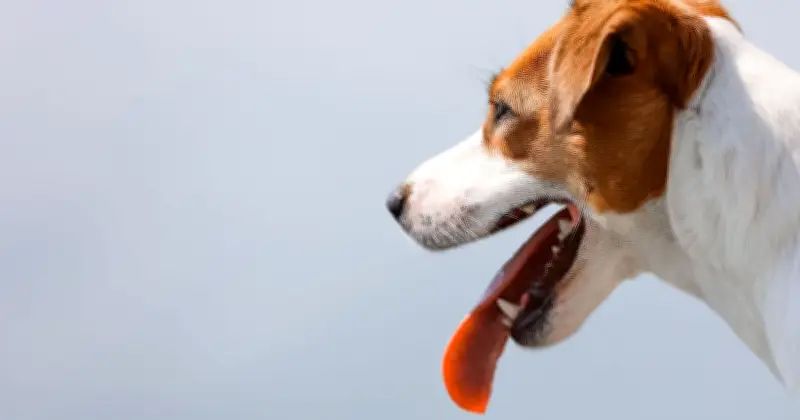
Dog trainer Max, known as mk9plus on TikTok, has shared a crucial sign that indicates when a dog's panting shifts from normal cooling to a medical emergency. With over 170,000 followers, Max explains that while all dogs pant when hot, the position of the tongue reveals the severity of their condition.
How Panting Works in Dogs
Max notes that dogs' tongues are large relative to their body size, making panting an efficient cooling mechanism. Unlike humans, dogs lack sweat glands across their bodies, so they rely on panting to release heat. The more the tongue hangs out, the more heat escapes.
"The typical rule of thumb is that, the further the tongue is hanging out, the hotter the dog is," Max says in his video. However, he emphasizes that there is a critical point where a dog becomes dangerously overheated.
The Curling Tongue Warning Sign
Max demonstrates with clips of panting dogs: "The tongue is now starting to curl back into the mouth. This is the point where the dog is becoming very hot and bothered. And this is a dog that definitely needs a break. Like, definitely needs one."
He advises owners not to rely solely on the temperature shown on weather apps, as some dogs are more sensitive to heat than others. "Some dogs are just really bad in the heat. Some dogs are bad when it's warm. So just be aware of this stuff," he adds.
Recognising Heatstroke in Dogs
The RSPCA lists several symptoms of overheating and heatstroke in dogs. These include collapse, confusion or disorientation, dehydration (dry nose, sunken eyes, heavy panting, infrequent urination, tiredness), drooling (especially thick and sticky saliva), increased heart rate, muscle spasms, noisy breathing (particularly in flat-faced breeds), panting, red gums and tongue, seizures, vomiting and diarrhoea (possibly with blood), and weakness or lethargy.
What to Do If Your Dog Overheats
If a dog shows signs of overheating, the RSPCA recommends immediate action: stop any exercise or movement, remove the dog from hot environments (buildings or vehicles), get them out of direct sunlight, pour cool water over their body (avoiding the head), submerge them in cool water if possible (unless the dog is unconscious, elderly, or has health conditions), fan them, and take them to a vet without delay.