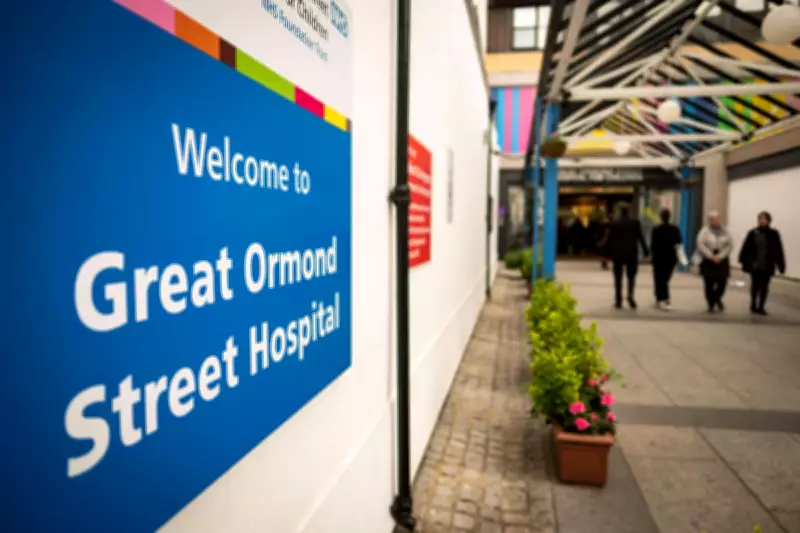
A comprehensive review conducted by Great Ormond Street Hospital has revealed shocking findings regarding the care provided by a former consultant orthopaedic surgeon. The investigation concluded that a total of ninety-four young patients suffered various degrees of harm under the treatment of Yaser Jabbar, who worked at the prestigious children's hospital between 2017 and 2022.
Severity of Harm Detailed in Hospital Review
The detailed examination of 723 cases treated by Mr Jabbar uncovered a disturbing pattern of substandard care. Among the affected children, thirty-six patients experienced what has been classified as severe harm, representing the most serious category of medical consequences. The review further identified thirty-nine children who suffered moderate harm and an additional nineteen who experienced mild harm as a result of their treatment.
Hundreds of Patients Without Attributable Harm
While the findings highlight significant concerns, the hospital's review also determined that 642 patients treated by Mr Jabbar did not suffer harm that could be directly attributed to his care. This substantial number represents the majority of cases examined during the investigation period, though the confirmed harm to nearly one hundred children has raised serious questions about clinical oversight and patient safety protocols.

Surgeon's Current Status and Location
Mr Jabbar is understood to be currently residing abroad and no longer holds a valid licence to practise medicine within the United Kingdom. The surgeon's departure from the country and loss of medical registration follow the concerning findings of the hospital's internal review, which examined his five-year tenure at one of the world's most renowned paediatric institutions.
Hospital Response and Review Process
Great Ormond Street Hospital initiated the thorough review of Mr Jabbar's cases as part of its commitment to patient safety and clinical governance. The investigation meticulously examined medical records and treatment outcomes for hundreds of children who underwent orthopaedic procedures under his care. The hospital has emphasised its dedication to learning from these findings and implementing necessary improvements to prevent similar occurrences in the future.
The revelation of nearly one hundred harmed patients at such a prestigious institution has sent shockwaves through the medical community and raised important questions about surgical oversight, patient advocacy, and the mechanisms for identifying concerning patterns in clinical practice. The case continues to develop as authorities consider the broader implications for paediatric healthcare standards nationwide.