Glasgow Super Hospital's Ventilation System Remains Unvalidated as Inquiry Closes
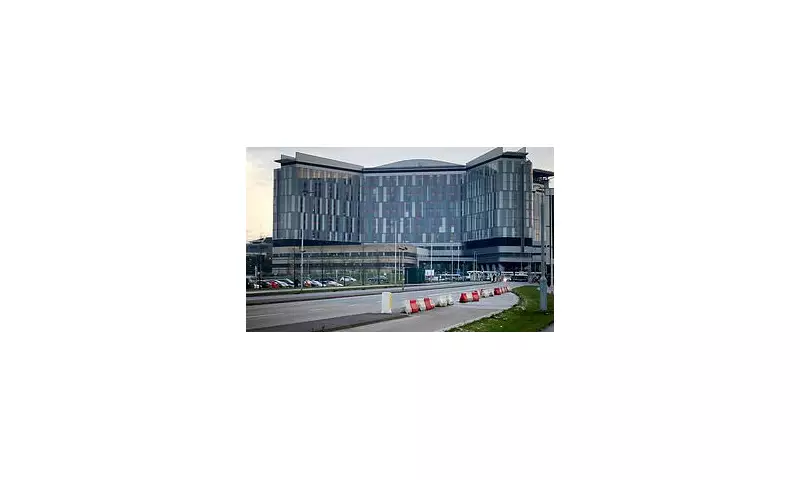
The Scottish Hospitals Inquiry has concluded with damning revelations that Scotland's scandal-hit super hospital in Glasgow still hasn't undergone crucial validation checks on its entire ventilation system. Senior counsel Fred Mackintosh KC delivered his final comments to the inquiry, highlighting what he described as "most concerning" failures at the Queen Elizabeth University Hospital complex.
Systemic Failures and Delayed Accountability
Mr Mackintosh told the inquiry that the whole hospital ventilation system has not been validated, with general wards remaining unchecked years after the facility opened. He expressed particular concern that this critical work "still hasn't been done" despite mounting evidence of problems. The inquiry also heard that NHS Greater Glasgow and Clyde's approach to the investigation had "severely impacted" its work, with "precious little" evidence showing genuine organisational change within the health board.
Families Demand Answers from Scottish Government
Pressure continues to mount on First Minister John Swinney and his nationalist government to reveal what they knew about serious issues at the hospital during its development and opening phases. Families affected by hospital-acquired infections have joined opposition politicians in demanding transparency from senior figures who held office when the £1 billion facility opened in 2015.

Kimberley Darroch, whose daughter Milly Main died after contracting an infection while recovering from leukaemia at the hospital, stated that former First Minister Nicola Sturgeon, John Swinney, and former health secretary Shona Robison all "have questions to answer." She expressed frustration, saying: "I don't know what they're not telling us, but there's something that they're not telling us."
Widow's Devastating Testimony
Louise Slorance, whose civil servant husband Andrew died from a fungal infection during cancer treatment at the hospital in 2020, delivered powerful testimony about systemic failures. She stated: "The truth is that the entire ventilation system, as agreed by GGC, fails patients. The UK's largest hospital has a 1970s standard of ventilation system unfit for modern healthcare. This cannot and does not keep vulnerable adult patients safe."
Maureen Dynes, whose husband Tony contracted two infections during cancer treatment at the Queen Elizabeth before dying in 2021, echoed these concerns, stating she believes the "ventilation is just not acceptable for our adults who are immunocompromised."
Political Reactions and Whistleblower Recognition
Scottish Labour leader Anas Sarwar praised whistleblowers Dr Teresa Inkster, Dr Christine Peters, and Dr Penelope Redding during the inquiry's closing stages, stating that until these medical professionals were satisfied with hospital safety, he would not be either. The MSP declared: "If Dr Peters, Dr Redding and Dr Inkster are not satisfied then I'm not satisfied and nobody should be satisfied." He added that it was "not credible" that the SNP Government did not know about issues at the hospital during its development.
Health Board's Eleventh-Hour Admissions
In a significant U-turn after years of denial, NHS Greater Glasgow and Clyde finally told the inquiry that some infections were probably linked to bugs in the hospital's water system. The health board acknowledged that "pressure was applied" to open the hospital on time and on budget in 2015, admitting it now appears the facility "opened too early" and "was not ready."
Mr Mackintosh noted the health board had reached a "delayed acceptance" regarding paediatric infections likely being linked to the water system, but emphasised that their approach had substantially hindered the inquiry's work.

Sturgeon's Denial and Inquiry Context
Former First Minister Nicola Sturgeon, who was not asked to give evidence to the probe, denied applying pressure for premature opening or having knowledge of safety concerns. She stated: "Any suggestion that I applied pressure for the hospital to open before it was ready or that I had any knowledge of safety concerns at that time are completely untrue." She emphasised that families "have a right to have their questions answered" and noted the independent public inquiry was established during her tenure.
Health Board's Assurance and Ongoing Scrutiny
In a statement responding to inquiry findings, NHS Greater Glasgow and Clyde sought to reassure patients and families that both the Queen Elizabeth University Hospital and Royal Hospital for Children "are safe today." A spokesman outlined comprehensive steps taken to address past physical defects and described a "significant and ongoing programme of maintenance and monitoring." The board acknowledged issues with past culture and communication while committing to continued improvement.
The inquiry, which has cost taxpayers more than £31 million to date, has exposed systemic failures in one of Scotland's most significant healthcare investments, leaving questions about accountability and patient safety that continue to resonate through Scottish politics and healthcare governance.