Glasgow Hospital Infection Scandal: Families Still Fear for Safety
The Queen Elizabeth University Hospital in Glasgow, at the centre of a devastating infection scandal, continues to pose significant risks to patients according to families and whistleblowers. Despite official assurances, those affected by past tragedies maintain they have no confidence in the safety of the £1 billion facility.
Families Voice Ongoing Safety Concerns
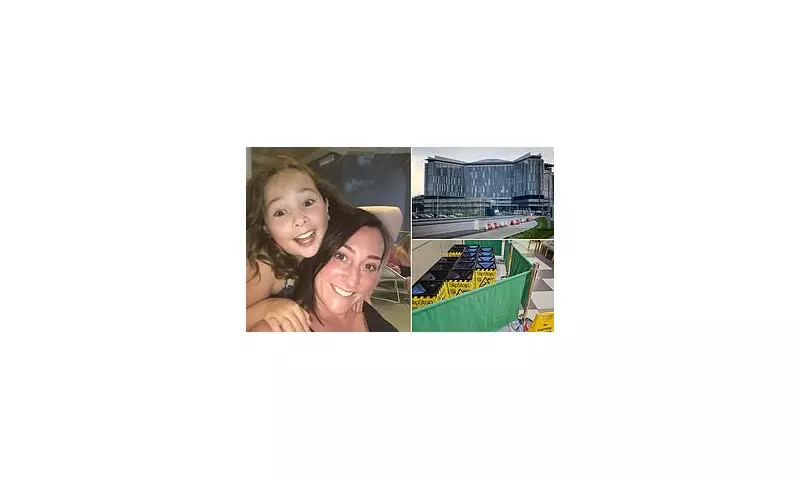
Relatives of patients who contracted infections linked to the hospital's ventilation and water systems have expressed profound distrust. Louise Cunningham, whose three-year-old daughter died after treatment at the children's hospital, stated emphatically: 'In my heart of hearts, I don't believe it's safe. And I would never take my children to that hospital at all.' The 41-year-old from Renfrew called for politicians and senior health board managers to be 'held accountable' for ongoing safety failures.
David Campbell, whose son received treatment at the hospital, witnessed concerning conditions as recently as November. He described a leaking roof in the children's atrium where 'there was 18 splash buckets' collecting water, creating hazardous conditions for wheelchair users. Campbell added: 'It's clear from this that the SNP cannot be trusted to govern in the interest of children and vulnerable people.'

Whistleblower Revelations and Inquiry Testimony
The Scottish Hospitals Inquiry heard disturbing testimony this week about persistent safety issues. Helen Watts KC, representing whistleblowers, told the inquiry that 'the lack of an effectively operating infection prevention and control team will render the hospital unsafe.' Whistleblowers have raised multiple concerns including:
- Dishwashers being out of action
- Running water not being readily available
- Continuing problems with leaking roofs
- A culture resistant to change and transparency
Dr Christine Peters, a whistleblower who still works at the hospital, claims nothing has fundamentally changed despite years of scrutiny. According to testimony, she 'has not seen evidence of the necessary changes having taken place' and experiences indicate that 'the culture has not changed, learning has not been implemented.'
Historical Tragedy and Delayed Accountability
The hospital's troubles date back to its opening, with two children dying and at least 84 falling ill after contracting infections that the health board now accepts were 'probably linked to the building's water system.' NHS Greater Glasgow and Clyde finally admitted last week that dirty water at QEUH was the probable cause of serious infections in young cancer patients, though they did not accept blame in individual cases.
Victims included ten-year-old Milly Main, who contracted an unusual bacterial infection while being treated for leukaemia in 2017. Prosecutors instructed police to launch a criminal investigation in 2021 into several deaths at the hospital, with the health board named as a suspect in 2023.
Political Pressure and Calls for Action
Scottish Conservative health spokesman Dr Sandesh Gulhane has called for decisive intervention: 'The time has come for Neil Gray to take decisive action by placing NHS Greater Glasgow and Clyde under special measures.' He highlighted that 'SNP ministers cannot pretend there are still not serious issues at their flagship hospital a decade on from its opening.'
First Minister John Swinney faced the families' fury yesterday while insisting: 'I think the hospital is safe.' This contradiction between official statements and ground realities has intensified calls for the hospital to be placed under special measures by the health secretary.
Health Board Response and Ongoing Investigation
An NHS Glasgow and Greater Clyde spokesman offered an 'sincere and unreserved apology to the patients and families affected' while stating they have 'acknowledged issues with past culture and communication.' The board claims to have implemented 'significant improvements' to governance and oversight, though they declined to comment further while the inquiry continues.

Former Glasgow Health Board Chief Executive Jane Grant, who gave evidence to the inquiry, refused to comment when approached about criticisms of her leadership during the hospital's troubled early years. The Scottish Daily Mail reported that a man answering her door requested all inquiries be directed through the health board.
As the inquiry continues and families await justice, the fundamental question remains whether this flagship hospital can ever regain public trust while those affected by its failures continue to voice their fears and demand accountability.