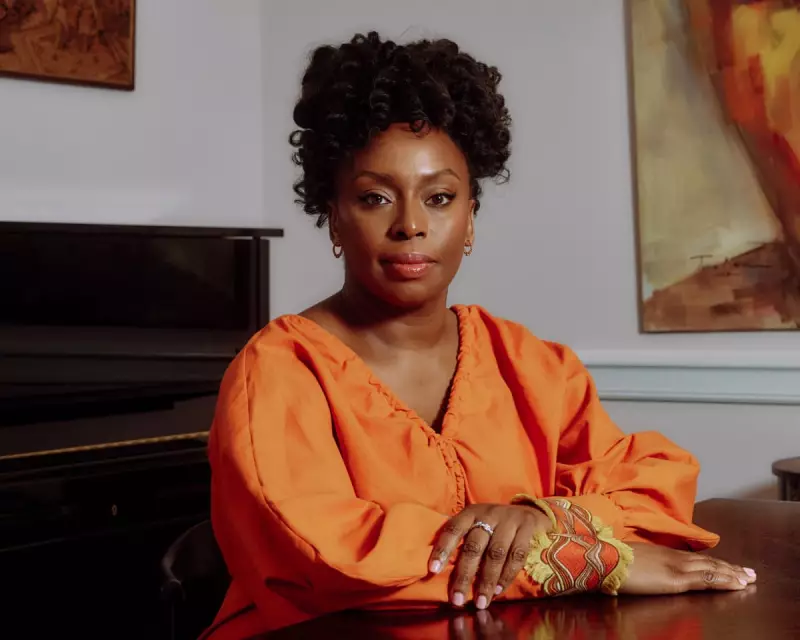
The tragic death of the young son of acclaimed author Chimamanda Ngozi Adichie has triggered a national outcry in Nigeria, leading to legal action and urgent demands for a complete overhaul of the country's beleaguered healthcare sector.
A Tragedy That Exposed Systemic Failure
Adichie and her husband, Dr Ivara Esege, have initiated legal proceedings against a hospital in Lagos following the death of their 21-month-old son, Nkanu Nnamdi. In a leaked WhatsApp message, the bestselling author revealed that a doctor informed her the resident anaesthesiologist had administered an overdose of the sedative propofol.
This personal tragedy has resonated deeply across Nigeria, unleashing a flood of public grief and shared stories of medical negligence and inadequate care. The incident has starkly highlighted the chronic issues within a system often described as being in crisis.

A Healthcare System in Peril
For decades, Nigeria's public health infrastructure has been plagued by severe problems. Reports are commonplace of underpaid doctors performing surgeries by candlelight during power cuts, patients being forced to supply basic items like gloves, and dilapidated facilities with non-existent research departments. This has led those who can afford it to seek medical treatment abroad.
The situation is exacerbated by a critical shortage of medical professionals. An exodus of doctors has resulted in a staggering doctor-to-patient ratio of approximately 1:9,801. Official figures estimate that around 16,000 doctors have left Nigeria in the past seven years alone.
Furthermore, emergency services are virtually absent. A telling example occurred in December when former world heavyweight boxing champion Anthony Joshua was involved in a car accident; he was assisted by bystanders as no ambulance was available.
A Culture of Silence and the Fight for Justice
Adichie's sister-in-law, Dr Anthea Esege Nwandu, has described the event as a "wake-up call" for the public to demand accountability and transparency. However, pursuing justice in cases of alleged medical malpractice remains an uphill battle.
Medical negligence lawyer Olisa Agbakoba, with two decades of experience, points to a lack of rigorous regulatory structure. "There is no requirement for routine submission of reports, no systematic inspections, and no effective enforcement of professional standards," he stated.
Compounding the problem is a significant cultural barrier. Many families, according to Agbakoba, accept poor outcomes as "the will of God" and do not pursue formal complaints, leading to severe underreporting. Even when cases reach court, a pervasive "unwritten oath of secrecy" among medical professionals makes it difficult to secure expert testimony, often forcing families to seek witnesses from outside the country.
The case of Ijoma Ugboma, who lost his wife Peju in 2021 after a surgical error involving a ventilator, illustrates the gruelling path to accountability. After a nearly two-year legal battle, three doctors were eventually indicted for professional misconduct. Ugboma's fight, he says, was a "marathon" but necessary to show his children he fought for their mother.
As the Lagos state government orders an inquiry into the death of Adichie's son, there is cautious hope that this high-profile tragedy may finally catalyse meaningful reform. For Ugboma and others, the message is clear: "We can only have a better system if more people begin to challenge them."