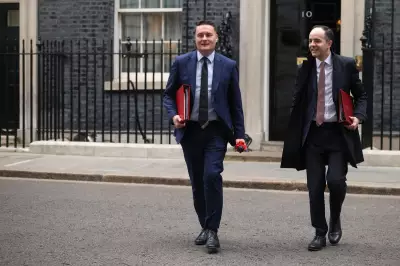
Health Secretary Wes Streeting has dramatically stripped the British Medical Association of its exclusive role negotiating GP contracts after accusing the union's leaders of lying and behaving in a "deeply unprofessional" manner.
Breakdown in relations
In an explosive letter sent directly to family doctors, Mr Streeting revealed he would end the BMA's 76-year monopoly on GP contract negotiations following what he described as an impossible working relationship.
The health secretary claimed BMA representatives had made it "impossible" for him and his officials to engage in "good faith" discussions about the future of general practice.

The decision follows weeks of mounting tension between the new Labour government and the BMA's GP Committee, chaired by Dr Katie Bramall-Stainer.
War of words escalates
The conflict centres on controversial new online booking systems that the government wants to implement across NHS England.
Dr Bramall-Stainer had accused NHS England and the Department of Health and Social Care of imposing the measure on resistant doctors, despite leaked emails suggesting her team had previously agreed to the changes.
In a recent speech to members, the BMA GP Committee chair escalated the rhetoric dramatically, labelling the government as "traitors" to the medical profession and accusing ministers of "disingenuousness", "duplicity" and "gaslighting".
Mr Streeting hit back forcefully in his letter to GPs, stating: "This speech was not just deeply unprofessional and unbecoming of a professional representative body, it was misleading."
He added: "The BMA agreed these contract changes in February 2025 and any suggestions to the contrary are factually incorrect."
New negotiating landscape
From next year, NHS England and the Department of Health and Social Care will consult multiple organisations on GP contract changes rather than dealing exclusively with the BMA.
The new negotiating partners will include the Royal College of GPs, the National Association of Primary Care, Healthwatch England, National Voices and the NHS Confederation.
Officials stated they want to make the process more constructive and ensure patient voices are properly represented in future discussions about primary care.
The BMA has held the exclusive right to negotiate GP contracts since the inception of the NHS in 1948, making this decision a historic break with tradition.
Union reaction and next steps
Dr David Wrigley, deputy chair of the BMA's GP Committee, immediately condemned the move on social media platform X.
He wrote: "This is the latest move by a Labour Govt – and shows their views of and approach to a trade Union. It's shocking and an attempt to discredit/sideline us. It won't work."
Dr Wrigley added that the "universal reaction from GPs on dozens of groups is one of dismay and loss of faith in the Government", calling it a "serious misstep".
The government had already cancelled all meetings with the BMA's GP Committee in recent weeks while conducting a review of the relationship.
Mr Streeting's decision to bypass the committee and write directly to GPs mirrors his approach during the recent junior doctors' strikes, when he urged medics to cross picket lines, arguing the militant union was acting against members' interests.
Dr Bramall-Stainer responded by saying her committee had "repeatedly sought to work with the Government all year" but attempts had been "thwarted by incessant media briefings and nameless sources".
She concluded: "However, we stand ready to put things right, as is our duty to the staff and patients we represent, to ensure care is safe for patients and practice staff to move forward constructively."