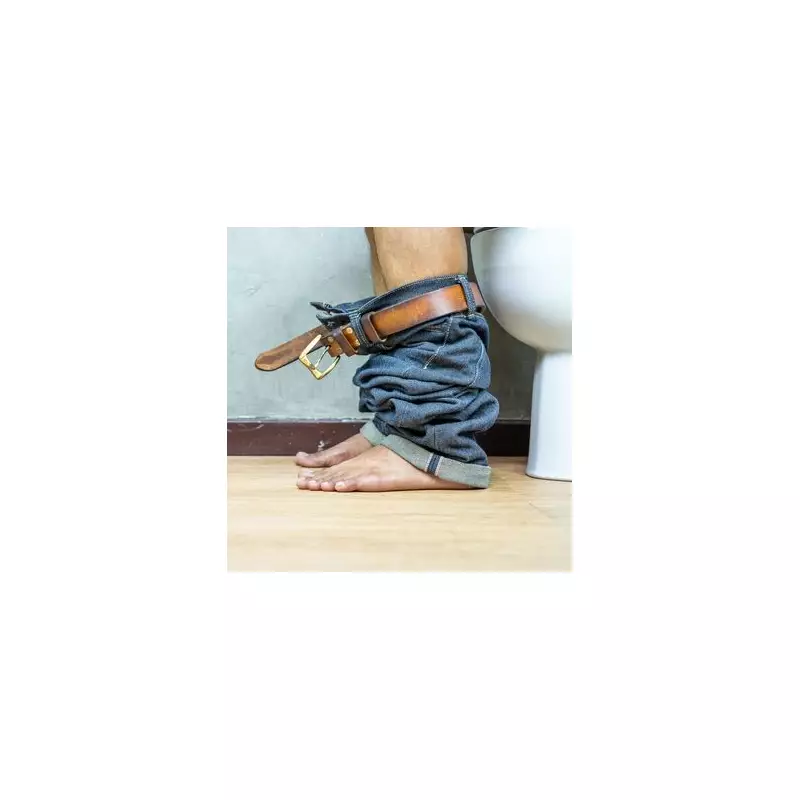
A doctor has issued a crucial health warning about the dangers of ignoring your body's natural signals when you need to use the toilet, emphasising that holding it in can have serious consequences for your digestive system.
The Importance of Responding to Your Body's Signals
Dr Nighat Arif has shared vital advice about "the importance of responding to your toilet urge" rather than suppressing it, regardless of your location or circumstances. Many people experience that sinking feeling when they're out and about and need the toilet, choosing to wait until they get home rather than use public facilities.
However, Dr Arif stresses this approach is misguided and potentially harmful. In a video message, she wrote: "Don't ignore your urge to poo. It can wreak havoc on your insides," before explaining the specific health impacts this habit can create.

What Happens When You Hold It In
Dr Arif explains the physiological process that occurs when you delay going to the toilet: "More water gets sucked out of your bowel, and then as the water is getting sucked out, it gets harder, and the poo becomes slower, and constipation quietly becomes your new baseline."
She acknowledges that sometimes it doesn't feel "convenient" to go, but emphasises it's important to "act on those urges" when possible because ignoring them leads to discomfort and potentially more serious issues.
Long-Term Consequences of Regular Holding
The doctor outlines several concerning long-term effects of regularly ignoring toilet urges:
- Disruption of bowel muscle patterns
- Dulling of natural urges over time
- Development of chronic tummy pain
- Bloating and flatulence from having a full bowel
- Abdominal cramps
Dr Arif adds that the bloating can also cause "lack of appetite" and may even lead to "overflow diarrhoea" which "contributes to diverticuli formation later on in life."
Personal Experience and Practical Advice
Dr Arif shares a personal example involving her son who refuses to use toilets outside their home, even when visiting nearby relatives with identical facilities. While saying "each to their own," she explains she's trying to teach him that ignoring urges "is really not great for you."
She offers practical advice for monitoring digestive health: "Get into the habit of looking at your poo now," suggesting people should aim for type three or four on the stool chart. Type three resembles "a sausage but with cracks on the surface" while type four is "like a sausage or snake, smooth and soft." Types one and two indicate constipation, while type seven signals diarrhoea.
Overcoming Embarrassment for Better Health
Dr Arif acknowledges the social awkwardness that can accompany toilet needs: "I know when you've got poo sitting in your back passage, and you're ready to go, sometimes it's really awkward. It could be the middle of a meeting, or you can only poo in one particular loo."
However, she emphasises: "But acting on that urge is so important, you're literally protecting your gut by going when you need to go. It's a waste product, and it's better to get rid of it as soon as you can."
In response to her advice, one commenter wrote: "As an IBS sufferer, we need to normalise going to the toilet and not making it embarrassing as we all do it."
Despite Dr Arif's recommendation to "put health first," some people remain reluctant, with one person stating: "I'd rather wait all day until I get home than go [to the toilet] at work. One toilet for the whole office and my colleague can hear conversations that happen upstairs, so I'm definitely not going."
The doctor's message remains clear: prioritising immediate convenience over responding to your body's natural signals can lead to significant digestive problems that may persist long-term.