
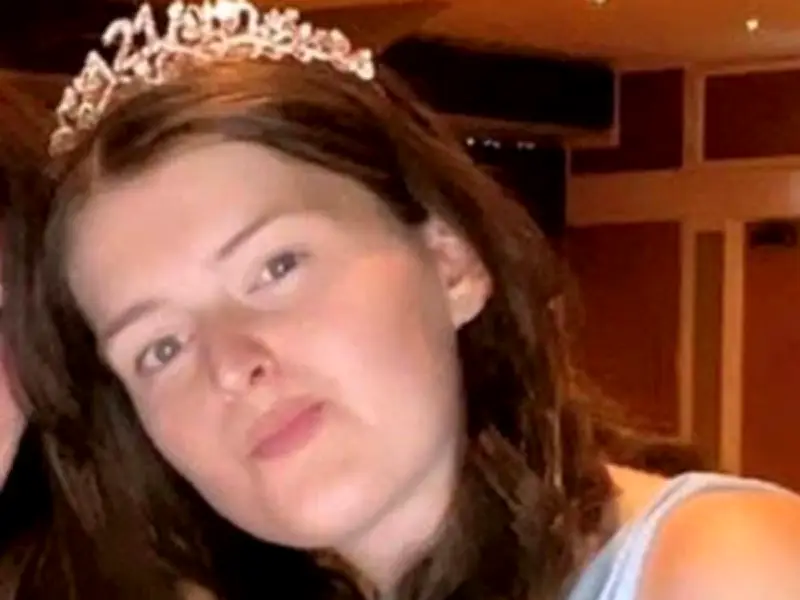
Sophie Barclay, now 21, spent years complaining of severe headaches but says she was repeatedly dismissed by doctors who attributed her migraines to anxiety, diet, or eating too much chocolate and dairy. After numerous GP visits, she was eventually referred to a neurologist, and an MRI scan revealed a pilocytic astrocytoma—a type of brain tumor. She was 15 at the time.
Years of Dismissal
Sophie, from Ratby, Leicestershire, said: "I'd been diagnosed with anxiety before, so they just put it down to that. They also told me to keep a food diary as they thought I was eating too much chocolate and dairy. I didn't know what was wrong, but I knew something was wrong as I'd had headaches for two years, and no one was listening." She added: "I was made to feel like an over-dramatic teenager and was completely fobbed off. It felt like they only sent me for an MRI to shut me up and stop me coming back."
Surgery and Complications
Sophie underwent surgery in 2021 to successfully remove the tumour. However, she soon developed posterior fossa syndrome (PFS), a condition that left her unable to walk, talk, swallow, or lift her head. She recalled: "I felt trapped in my own body, and I couldn't even tell anyone if I was in pain. I had to have physiotherapy, which started off daily, and then became weekly, to regain my strength and get me walking and talking again." She also required speech and language therapy and occupational therapy to regain fine motor skills. She could not speak for about two weeks and took six weeks to learn to walk again.
Recovery and Advocacy
Sophie has since recovered, can now walk and speak without assistance, and recently completed her second year studying psychology at De Montfort University in Leicester. She is sharing her story to encourage other young people to persist in seeking medical help. "For younger people, it's so important to be listened to because they don't feel like they are taken seriously," she said. "I feel like I've learned not to trust someone's first opinion. I've learned that I know more about what's wrong with me than someone else. So, I'd say to others, if you know something is wrong, go to your GP but keep pushing."
Campaign for Early Diagnosis
Sophie is supporting a campaign funded by The Children Young People's Cancer Association (CCLG) and led by experts at the University of Nottingham to raise awareness of cancer symptoms in young people. The campaign aims to create clear referral guidelines to help GPs and clinicians identify when further investigation is needed. Dr Shaarna Shanmugavadivel, a paediatric emergency medicine doctor and CCLG Child Cancer Smart Research Fellow at the University of Nottingham, said: "Low-grade gliomas in children are slow growing and so symptoms can accumulate more slowly than with other brain tumours. The symptoms that they present with depends on where in the brain the tumour is growing, as with any other brain tumour, and the symptoms can be non-specific which can take some time to reach a diagnosis. As the tumour grows, there is more risk of brain injury including loss of vision and so it's really important to diagnose as early as possible." Ashley Ball-Gamble, CEO of CCLG, added: "By equipping primary healthcare professionals with clearer guidance and practical diagnostic tools, we are providing them with the resources to help reduce delays to diagnosis. This will ensure children and young people receive the right care at the right time, which is vital for improving outcomes."




