Ruth Langsford's 20-Year Alzheimer's Battle: From Dad's Diagnosis to Mum's Care
Ruth Langsford on her parents' 20-year Alzheimer's fight

Alzheimer's disease delivers a uniquely cruel and unpredictable form of heartbreak, blending infuriating memory loss with moments of tragic, inopportune humour. For television presenter Ruth Langsford, this reality has been a painful constant for two decades, as she witnessed the piecemeal mental decline of both her beloved parents.

A Personal Crusade Born from Double Tragedy

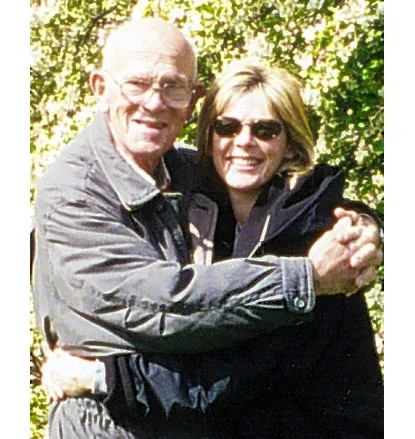
Ruth's father, Dennis, lived with Alzheimer's for over ten years before dying from complications of the disease in 2012, aged 84. Her mother, Joan, now 94, was diagnosed eight years ago and currently lives in a dementia care home near Ruth in Surrey. This double family tragedy led Ruth to become an ambassador for the Alzheimer's Society 17 years ago. Today, she is combining her passion with the charity's expertise to launch a joint crusade with the Daily Mail on Defeating Dementia, an initiative she supports 'wholeheartedly'.

The campaign aims to get the nation talking about dementia, promote understanding, help people spot early symptoms, and ensure those affected know about available support. "One in three people will develop dementia, which is the UK's biggest killer," Ruth states. "It doesn't get the funding it needs. Raising money for research into a cure is key."

Learning Acceptance Through Heartbreak

Ruth, 65, the Loose Women anchor and former This Morning presenter, admits her approach has changed profoundly. "I used to rail against Dad's memory loss and confusion," she says. "Now I'm much softer and more accepting of Mum's because I've learned so much from coping with Dad's." She recalls the futility of pressing her father, saying, "But you must remember that, Dad," only to be met with a blank stare.

She applies this hard-won wisdom to her mother's care. Joan, though always in good spirits, constantly repeats herself and forgets visits. "She'll say to people, 'I haven't seen Ruth for months,'" Ruth explains with a mix of amusement and sadness. "She loves music and socialising – although she can't remember anyone's name." Ruth has learned to play along, finding solace in the moment even when her mother instantly forgets the flowers she brought. "You have to laugh, otherwise you'd cry. Acceptance is the hardest part, but I've learned that now," she reflects.

The Long Road from Diagnosis to Care

The early signs of her father's illness were subtle. Dennis, a meticulous former Army warrant officer, began misplacing his camera and once left his slippers in the fridge. His outgoing nature faded, and he stopped wanting to leave the house. After tests prompted by concerns over depression, Alzheimer's was diagnosed. "We were all in the dark then," Ruth remembers. "We were just left with the diagnosis."

Her mother Joan cared for Dennis at home for ten years until his behaviour – like getting up and dressed in the middle of the night – became too demanding. "It was like looking after a toddler," Ruth says. She eventually persuaded her mother that Dennis needed 24/7 nursing care. The Alzheimer's Society provided crucial support during this time, connecting Joan with a local Dementia Café and later a day centre, giving her a vital respite.

Ruth highlights the quiet heroism of carers and stresses the importance of early diagnosis. "If just one person reads this and thinks: 'Dad is doing some odd things. Maybe I'll take him to the GP to get him checked', I've done my job – because there is help available for managing symptoms and slowing them down."

Today, Ruth faces different challenges with her mother. Joan has forgotten the death of Ruth's sister, Julia, in 2019. Ruth chooses not to correct her when she speaks of Julia as if she were still alive, sparing her mother the trauma of fresh grief. "Her dementia is too far advanced," Ruth explains. "It would have been like learning it for the first time."

While a fear of developing Alzheimer's lingers – despite it being non-hereditary in the vast majority of cases – Ruth focuses on the present. She cherishes visits with her mother, even if they are swiftly forgotten, understanding that she is visiting for her own sake as much as Joan's. As she prepares for another Christmas, possibly spent at the care home with her son Jack and dog Maggie in tow, Ruth Langsford embodies a resilient, compassionate response to a disease that steals memories but, in her case, has not stolen love.




