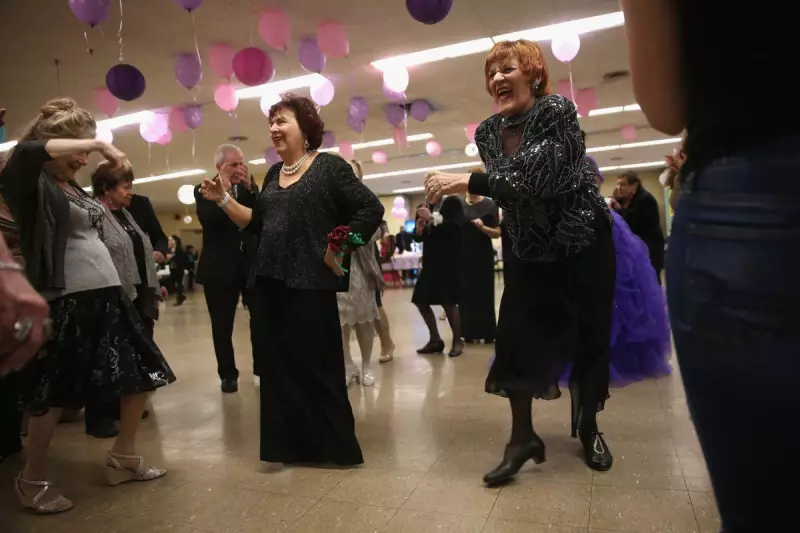
One of life's great pleasures, dancing, is now being hailed as a formidable weapon in the fight against dementia. With over seven million Americans currently living with conditions like Alzheimer's and Parkinson's disease, scientists are turning to rhythmic movement as a potent form of prevention and therapy.
The Science of Dance and Neuroplasticity
It is well-documented that music benefits those with dementia, engaging brain regions tied to memory and emotion. However, emerging research focuses on the unique, combined mental and physical workout that dance provides. Activities requiring learning and memory, such as dance, stimulate neuroplasticity – the brain's crucial ability to form new neural connections.
"This enhanced brain activity helps keep the mind sharp and can even delay the onset of symptoms in those at risk for dementia," explained Canada's Baycrest Foundation, a leading authority on brain health. Dancing demands rhythm, timing, coordination, and often social interaction, engaging multiple cognitive domains simultaneously.

Compelling Evidence from Key Studies
The data supporting dance is compelling. A landmark 2003 study found that dancing more than once per week slashed dementia risk by a staggering 76 percent, outperforming other physical activities.
Further reinforcing this, a 2017 German study demonstrated that weekly dancing over 18 months could reverse signs of brain aging in older adults. The research, led by Dr. Kathrin Rehfeld of the Center for Neurodegenerative Diseases in Magdeburg, found dance had a more profound effect than endurance training, though both benefited the hippocampus – a brain region vital for memory and balance.
"I think dancing is a powerful tool to set new challenges for body and mind, especially in older age," Dr. Rehfeld stated.
A Groovier Future for Parkinson's and Alzheimer's
The benefits extend significantly to Parkinson's disease, the second most common neurodegenerative disorder. Research published last year, led by York University's Simran Rooprai, found that moving to Latin music for two years improved cognition and stability in Parkinson's patients.
"Dance is physical, mental, and social all at once," Rooprai emphasised. Dancing can help improve balance, alleviate stiffness, and reduce tremors common in Parkinson's, explained neurological specialist Vaishnavi Srivatsan of Henry Ford Health.
While initially met with some scepticism in medical circles – one neurologist reportedly called it "frivolous" – the evidence is now too consistent to ignore. Dr. Daniel Tarsy of Beth Israel Deaconess Medical Center notes the rhythmic cue of dance particularly helps Parkinson's patients with speech and walking.
With dementia risk rising sharply with age and reduced mobility, integrating enjoyable, socially engaging activities like dance into lifestyle regimes offers a promising, accessible strategy for maintaining cognitive health for years to come.