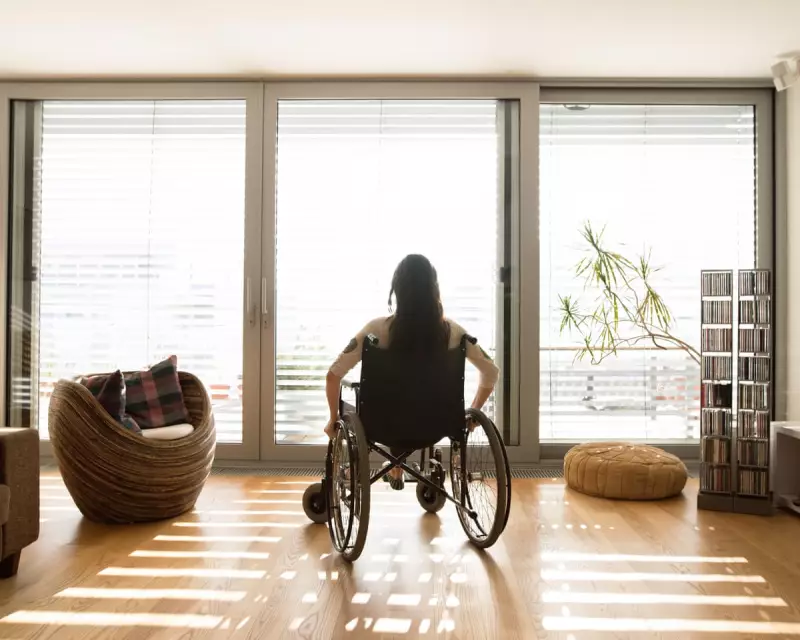
A damning critique of the NHS wheelchair service has emerged from a father in Stockport, who says his disabled daughter has been forced to reapply for essential equipment seven times throughout her life.
A Lifetime of Reapplication
Chris Burgess responded to a recent Guardian article by Paul Sagar, who detailed his own "maddening" experience with the service. Burgess highlighted that his 38-year-old daughter, born with a spinal injury, is a full-time wheelchair user. He explained that a chair used constantly typically wears out after about five years, leading to the cycle of repeated applications.
"Imagine trying to attend school while negotiating to obtain this essential equipment," Burgess wrote, painting a stark picture of the additional burden placed on young disabled people navigating the system.

Satisfaction Statistics Mask Reality for Full-Time Users
Burgess challenged official statistics that report high satisfaction levels with the wheelchair service. He argued these figures do not reflect the experiences of younger people who cannot walk or stand, for whom a wheelchair is an absolute necessity for daily life.
He pointed out that disability increases with age, meaning the typical user is often an elderly, part-time user who can still walk indoors. This demographic, being less dependent on the equipment, may account for the higher satisfaction rates, obscuring the struggles of those who rely on their wheelchair every single day.
Privatisation Debate Reignited
The correspondence also included a letter from Charlie Hislop of Netley Abbey, Hampshire. While sympathising with Sagar's ordeal, Hislop took issue with the writer's view that privatisation made sense for some NHS services, like cleaning.
Hislop referenced decades of reported failures in hospital cleaning contracts, urging consideration for the vulnerable patients affected by dirty environments and superbugs. "Those people probably would also have wanted their needs – including for many simply the need to stay alive – met by an accountable public service," he concluded.
The letters underscore a growing concern over the provision of vital mobility aids within the NHS, suggesting a one-size-fits-all service is failing its most dependent users and reigniting the complex debate over outsourcing and privatisation within the health service.