
Andrew Kötting’s complex docu-essay about his daughter Eden, who has Joubert syndrome, refuses conventional grammar. The artist and film-maker returns to themes of consciousness and memory in this playful and ruminative work, with Eden as both subject and collaborator.
Eden, born in 1988 with the genetic disorder, draws and paints and often appears in Kötting’s films. The film adopts a layered, tonally elusive approach that avoids the conventional grammar of clinical concern, aiming to see the world as Eden does.
Eden is dressed in a blue gingham pinafore dress reminiscent of Alice in Wonderland, associating her with a journey or pilgrimage. She joins other adults with learning-development issues in a factory setting, pretending to produce “memory blocks” with machine tools and 3D printers: hollowed-out metal blocks that represent containers of memory.
The group participates in the fiction that these blocks will stimulate consciousness and send them back to happy memories. Kötting’s voice is heard off-camera, asking where they would like to travel; one woman says Prague, Eden says France, and another man mentions Locarno in Switzerland, referencing a ghost story.
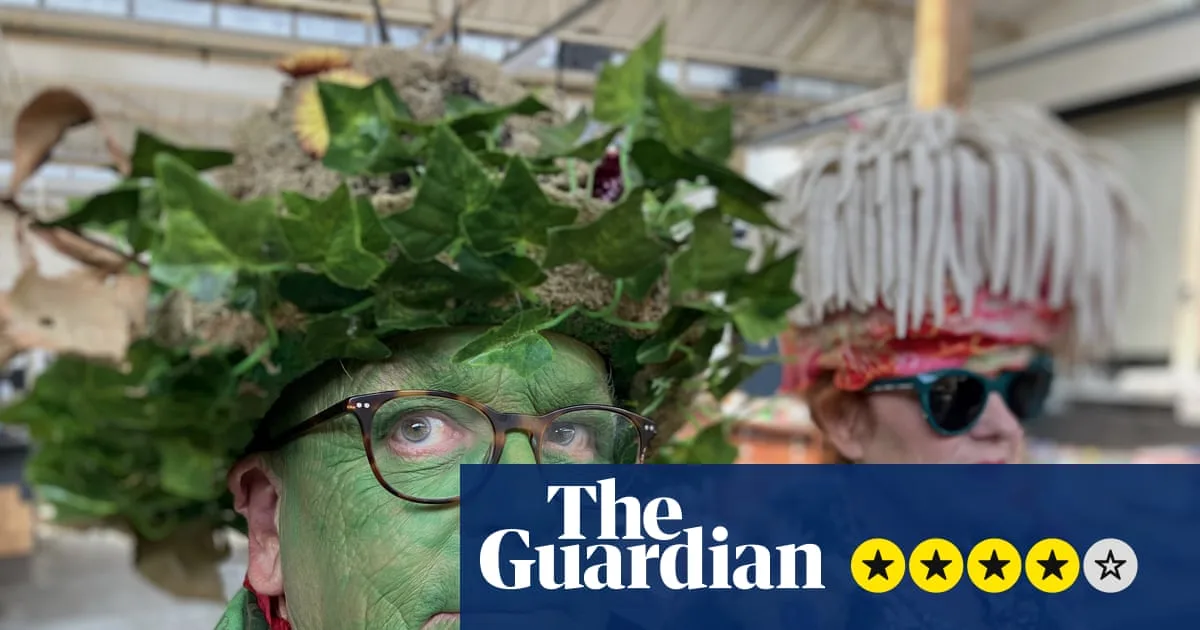
Eden is also shown walking in vast landscapes with her walking frame, or with others in fancy dress. These unselfconscious performances may offer insight into her thoughts, but the film’s object may be more about quietist harmony than understanding. The calmly purposeful originality of Kötting’s work is valuable.




