
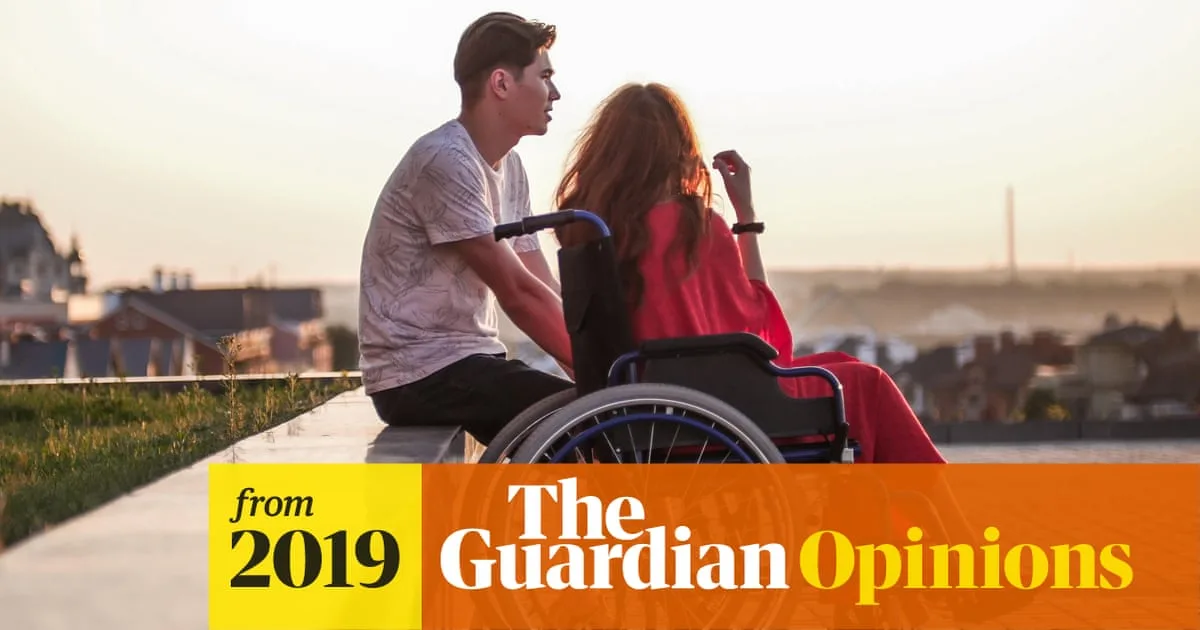
A persistent taboo surrounds disability and sex in British society, denying disabled people their right to a fulfilling sex life while perpetuating rigid norms for everyone, campaigners argue. Research by the charity Scope found that only 7% of non-disabled people have dated a disabled person, and disabled young people often receive inadequate or no sex education.
Writer and activist Penny Pepper, who explores disability and sex in her erotica collection Desires Reborn, said: “If disabled people aren’t having sex, they would like to. And the reasons they’re not are overwhelmingly to do with the barriers in society. I’ve known quite a few disabled people who have resigned themselves to never having sex.”
An invisibly disabled writer for the outlet noted that society often treats disabled people as if sex is not something they should worry about. “There’s a sense that when you’re dealing with disability or chronic illness, you’re expected to exist in a shadow world of sadness and struggle, certainly not entitled to enjoy life,” they said. Emily Yates, who explored fetishisation in her documentary Meet the Devotees, added: “We end up being one of two things – infantilised or hypersexualised – neither of which helps normalise disability and sex.”
However, attitudes are slowly shifting, driven largely by disabled people themselves through social media and blogging. Campaigns such as Andrew Gurza’s #DisabledPeopleAreHot have gone viral, while influencers like Mama Cax and Jessica Kellgren-Fozard celebrate disabled style and critique non-disabled beauty standards. In the sex toy industry, companies including Hot Octopuss, Ruby Glow, and Spokz are now designing products with disability in mind, though most still target young non-disabled people.




