

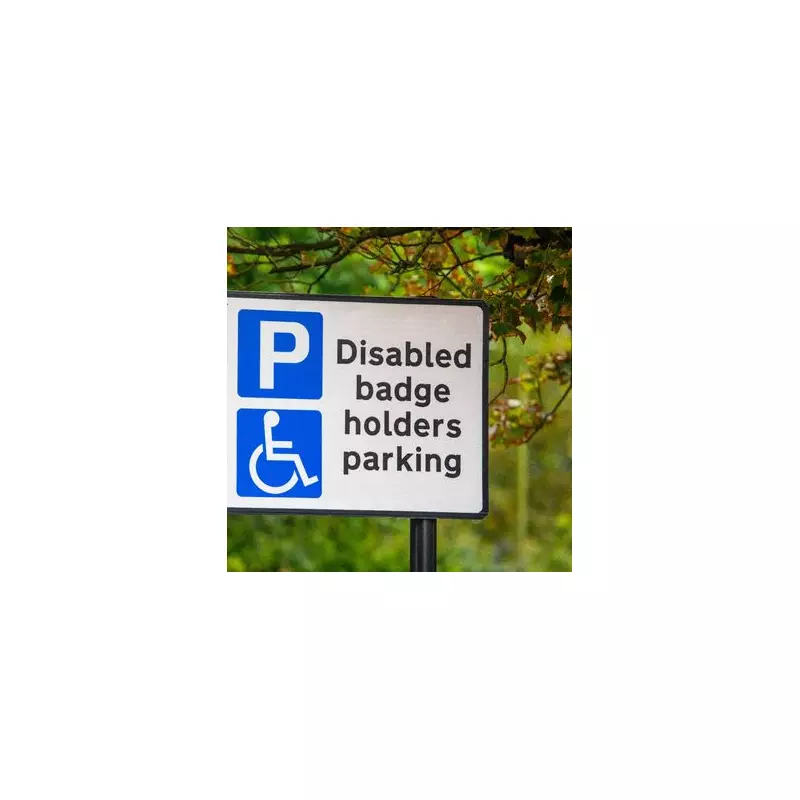
The Department for Transport has formally responded to mounting pressure from MPs to reconsider the eligibility criteria for the Blue Badge parking scheme, specifically for people with temporary or fluctuating health conditions.
Parliamentary Pressure for Change
In recent written Parliamentary questions, MPs from across the political spectrum raised concerns that the current system may be failing certain groups. Liberal Democrat Tom Morrison directly questioned Transport Secretary Heidi Alexander on whether steps would be taken to extend qualifying criteria to ensure people with Parkinson's disease and other fluctuating conditions are eligible.
Simon Lightwood, the Parliamentary Under-Secretary at the Department for Transport, responded by clarifying that eligibility is based on the impact on mobility, not a specific diagnosis. "Whilst Parkinson's and other fluctuation conditions are not automatically eligible for a Blue Badge, applicants may still be eligible for a badge based on the evidence provided," he stated. He emphasised that final decisions rest with the applicant's local authority.

The Debate Over Temporary Badges
Alongside questions about fluctuating conditions, MPs probed the potential for temporary parking concessions. Conservative MP Andrew Rosindell asked if councils could be given powers to introduce a temporary Blue Badge scheme for those recovering from serious illness or surgery.
In response, Mr Lightwood pointed out that local authorities already possess the necessary powers under the Road Traffic Regulation Act 1984. He explained that councils can establish local parking permits or use Traffic Regulation Orders to create reserved spaces for specific purposes. "This can be a voluntary local scheme, and the cost and nature of the concession would be for the local authority to decide," he added.
How the Current Blue Badge System Works
The Blue Badge scheme is designed to help people with severe mobility problems park closer to their destination. Key aspects of the current rules include:
- Eligibility is for those who cannot walk far, have invisible disabilities causing distress, are registered blind, or have severe upper limb disabilities.
- Local councils assess applications based on medical evidence or benefit entitlement, such as PIP or DLA.
- Badges are typically issued for up to three years. If eligibility is linked to a time-limited benefit, the badge expires when the benefit does.
Mr Lightwood concluded by stating that while the scheme's primary focus remains on those with enduring disabilities, the Department routinely monitors the scheme to see how it may be improved for those who need it most.






