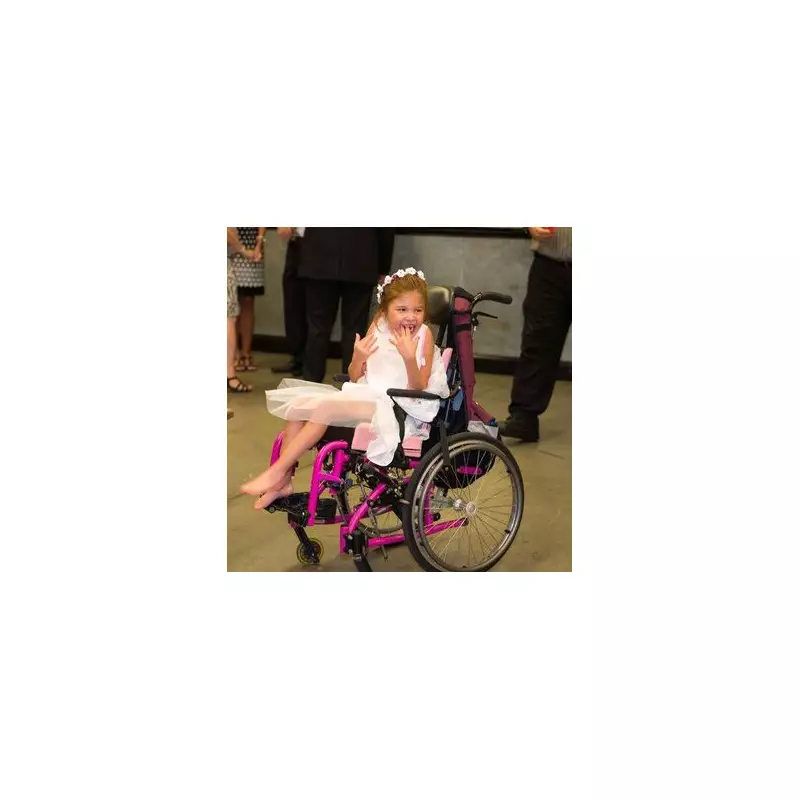
A mother in the United States has been handed a staggering 40-year prison sentence for a horrific act of child abuse that left her disabled daughter fighting for her life.
A Torturous Ordeal in Sweltering Heat
Kayla Jo Henson, a 33-year-old from Colorado, committed an unthinkable act of cruelty against her own child. In July 2022, during a blistering heatwave, she deliberately locked her 9-year-old daughter inside a parked car. The outside temperature soared to nearly 40 degrees Celsius (104 Fahrenheit), turning the vehicle's interior into a deadly oven.
The young girl, who has a significant physical disability and uses a wheelchair, was utterly defenceless. She was trapped in the scorching vehicle for an extended period, suffering catastrophic injuries. Prosecutors revealed the child was found with severe burns and in a state of extreme distress.

Justice Served After a Guilty Plea
Henson faced the consequences in a Colorado court after entering a guilty plea to a charge of first-degree assault causing serious bodily injury to an at-risk person. The court heard harrowing details of the case, leading District Court Judge Timothy Kerns to impose the maximum sentence allowed under a plea agreement.
Judge Kerns sentenced Henson to 40 years in the Colorado Department of Corrections. In a powerful statement, he emphasised the vulnerability of the victim and the sheer brutality of the crime. "The victim in this case was particularly vulnerable due to her physical disability," he stated, condemning Henson's actions as a profound betrayal of trust.
Life-Altering Injuries and a Mother's Betrayal
The consequences for the young girl are permanent and devastating. The injuries she sustained from being locked in the boiling hot car are described as life-changing. She continues to live with the severe physical and psychological scars of her mother's abuse.
This case highlights the extreme dangers of leaving anyone, especially vulnerable children, in a hot car. Temperatures inside a vehicle can rocket to lethal levels within minutes, even on moderately warm days. For a child with disabilities, unable to escape or effectively call for help, the risk is exponentially greater.
The sentencing brings a form of closure to a shocking episode of familial abuse, but the young victim's journey to recovery will last a lifetime. Authorities hope the severe penalty serves as a stark warning about the grave responsibility of care and the serious legal repercussions for those who endanger children.