Landmark Ruling Declares Female Baldness a Disability in UK Court
A judge has delivered a groundbreaking ruling that female baldness constitutes a disability because it "adversely affects the ability to carry out everyday activities". This decision has ignited a crucial conversation about how women experience hair loss and the societal pressures they face.
Personal Stories Highlight the Devastating Impact
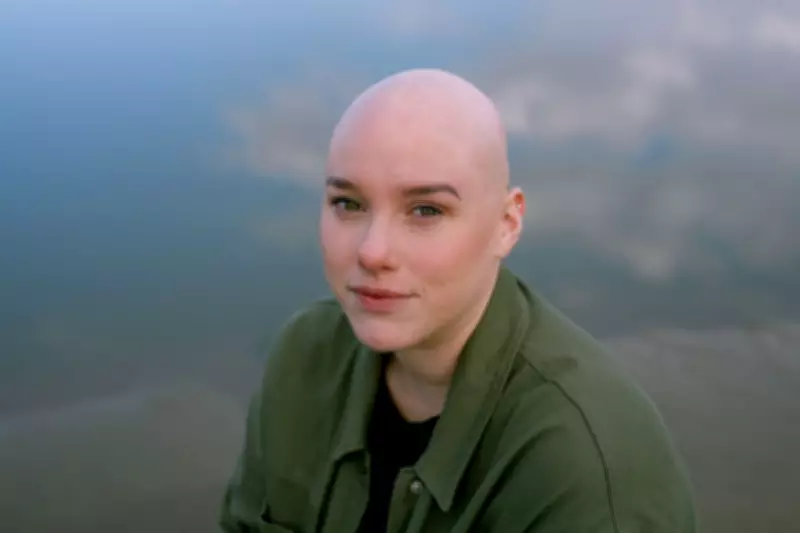
Laura Mathias, now 34, recalls discovering her first bald patch at age thirteen. "It was the size of a 50p piece. Within weeks, there were more patches and they all started joining up," she says. Diagnosed with alopecia areata, an autoimmune condition causing hair loss, her condition progressed over time.
"I thought about it all the time. I was freaking out about this massive change to my body. I stopped going to school. I didn't leave the house for six months," Mathias reveals. For seventeen years, she concealed her hair loss with wigs until the pandemic prompted a reevaluation. She is now a visible difference campaigner and ambassador for the charity Changing Faces.

The Legal Case Behind the Ruling
The ruling originated from a case where Mark Glenn Ltd, a company providing specialist wigs for women with hair loss, challenged a £277,083.10 VAT bill from HMRC. The judges ruled in the company's favour, determining that female baldness should be recognised as a disability, thereby exempting the wigs from VAT.
The judgment stated: "Severe hair loss in women constitutes an impairment that adversely affects the ability to carry out everyday activities. This is not because hair loss physically prevents participation, but because of the distress that would ordinarily be experienced by a woman with severe hair loss if no steps were taken to conceal it."
The ruling emphasised that this distress stems from the cultural significance of hair to female identity, societal expectations regarding appearance, and the different standards applied to women.
Mixed Reactions from Campaigners and Those Affected
Hannah Saunders, head of policy and education at Face Equality International, believes the ruling "could be ground-breaking for the many women affected". However, she acknowledges it may be bittersweet, noting that some individuals with visible differences do not personally identify as disabled.
Laura Mathias welcomes the legal recognition but expresses concern about the wording. "The wording used in the ruling makes me uncomfortable because it reinforces the idea that visible hair loss should be a source of shame," she says, highlighting that concealing hair loss should be a choice, not an obligation.
Amber Jean, a 32-year-old former model who lost her hair to alopecia at fifteen and now runs a wig company, shares a similar perspective. "Hair loss is always devastating on some scale. It can seriously affect women's emotional wellbeing and mental health," she explains.
While Jean does not personally identify as having a disability due to her hair loss, she supports the ruling if it provides necessary support. "If putting it under that umbrella means that people who need the extra support and care will receive it, then why not?" she questions.
Charity Response and Practical Implications
Alopecia UK agreed with the judges' recognition that alopecia can significantly impact daily life. The charity expressed disappointment that HMRC's lawyers had argued alopecia was merely a "cosmetic problem".
The charity stated: "Hair loss is not simply about appearance; for many people, alopecia has a profound impact on confidence, identity, mental health, and everyday life." They hope the decision will encourage HMRC to reaffirm that VAT exemption on wigs for people with alopecia is appropriate and fair.
Regarding the VAT implications, Amber Jean notes that most of her clients are already medically exempt, but she hopes the ruling will help women whose hair loss is not currently classified as a chronic illness. "My hope is this ruling helps women get the support they need," she says.

A Broader Conversation About Visible Differences
Mathias advocates for using the social model of disability to protect people with visible differences. "I believe alopecia, and other visible differences, should be protected under the Equality Act because of how society and systems respond to them, not because the condition itself is inherently limiting," she argues.
This landmark ruling not only provides legal protection but also opens a long-overdue dialogue about the social barriers faced by women with hair loss and other visible differences, challenging societal norms and expectations.