
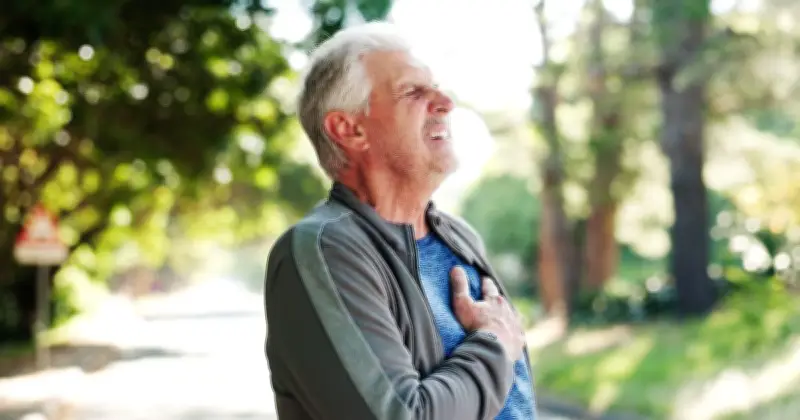
As the UK endures soaring temperatures this week, a cardiologist has identified five heart-related symptoms that should never be dismissed as merely 'the heat.' Dr Francesco Lo Monaco, a private cardiologist in London, warned that extreme heat places significant extra strain on the cardiovascular system.
How Heat Affects the Heart
Dr Lo Monaco explained that normally the heart pumps around five litres of blood per minute, but during a severe heatwave it may need to pump close to ten litres. 'That's a huge extra demand on the cardiovascular system,' he said. In extreme heat, blood vessels widen, the heart beats faster, and more blood is sent to the skin to release heat. Simultaneously, sweating depletes the body of water and electrolytes, making it harder to maintain stable blood pressure and circulation. 'While the heat doesn't create heart problems from nothing, it can trigger them,' Dr Lo Monaco added.
Five Symptoms Never to Ignore
Chest Pain
Dr Lo Monaco warned that chest pain in hot weather should never be brushed off. 'It needs to be checked out straight away as it could be a sign of something more serious,' he said.
Severe Breathlessness
Breathlessness is often dismissed as a reaction to the heat, but Dr Lo Monaco stressed it should never be ignored. 'Breathlessness is often something people dismiss as feeling the heat, but it should never be ignored,' he said.
Strong or Irregular Palpitations
A pounding heart might seem normal in high temperatures, but Dr Lo Monaco explained it can be a red flag. 'If your heart feels like it's pounding, racing or beating irregularly, that's not something to wait out,' he said.
Confusion
Confusion is rarely associated with heart issues but should not be overlooked, particularly in older or vulnerable people. Dr Lo Monaco said: 'Confusion is often missed, but it's a serious warning sign.'
Collapse or Fainting
Some assume fainting in hot weather is simply the body's way of coping, but Dr Lo Monaco said: 'This is your body telling you something has gone seriously wrong with your circulation. It should always be treated as a medical emergency.'
How to Stay Safe
Simple measures can significantly reduce the risk of heart-related problems. Dr Lo Monaco advised: 'My best advice is to avoid being outdoors during the hottest time of day, staying in cool environments as often as possible, wearing light clothing, regularly drinking fluids and avoiding alcohol.' He added: 'Many people think of heatwaves as just an inconvenience, but for the heart they can place significant physiological stress on the body. Recognising the warning signs and staying well hydrated can make all the difference, especially for those with existing heart conditions.'
When to Call 999
The NHS states you must call 999 if you experience chest pain that feels tight or like squeezing on your chest; chest pain spreading to your arms, neck or jaw; severe difficulty breathing (gasping, choking, or unable to get words out); lips or skin that are pale, blue or grey (on brown or black skin this may be easier to see on the palms of the hands); or if someone has passed out and is not responding normally.




