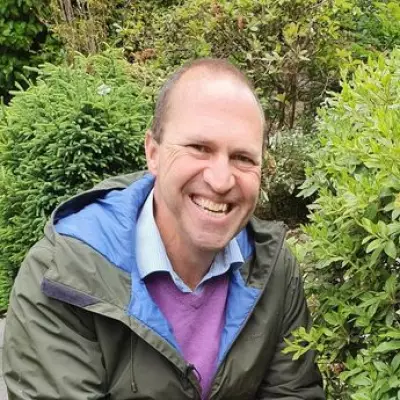
A former nurse and disability advocate who participated in the Question Time studio audience has launched a scathing attack on the BBC, branding the broadcaster 'discriminatory' for confiscating his mobility aids. Andy Brown, a 62-year-old from Walsall, suffers from a progressive neurological condition that necessitates the use of crutches or a wheelchair for movement.
Incident During 2014 Filming
Andy Brown disclosed that when he attended the filming of the topical debate show in June 2014, then hosted by David Dimbleby, production staff instructed him to surrender his elbow crutches. He was seated on the front row but told he would have to signal to off-screen staff whenever he needed to stand up. This arrangement meant that in an emergency evacuation scenario, he would have been completely reliant on assistance to exit the building, as he could not stand without his aids.
A Bizarre and Discriminatory Policy
Slamming the move as 'bizarre', Andy recounted his reaction to The Express: 'I remember saying: "Well, are you embarrassed that you have a disabled person on the show? Because that sounds very discriminatory to me".' He emphasised that as a disability advocate, he found the policy reminiscent of outdated practices where people with disabilities were hidden from public view. Fortunately, he did not require the crutches until after the filming concluded, but the experience left a lasting negative impression.

Andy expressed confusion over the rationale behind the decision, stating he 'didn't know what their thinking was' in removing the crutches and storing them at the side of the set. Despite this criticism, he praised former host David Dimbleby, describing him as 'charming'. Dimbleby left the programme in 2018 and was succeeded by Fiona Bruce.
BBC Response and Accessibility Pledge
In response to the allegations, a BBC spokesperson issued an apology: 'We are sorry that Mr Brown did not have a good experience on Question Time in the past and we have offered to contact him directly to discuss this further.' The spokesperson added a commitment to inclusivity, stating: 'We want to make everyone welcome in the Question Time audience, and if an audience member has accessibility requirements, we will make the necessary adjustments to ensure they are able to attend.'
Insights into Question Time Audience Experience
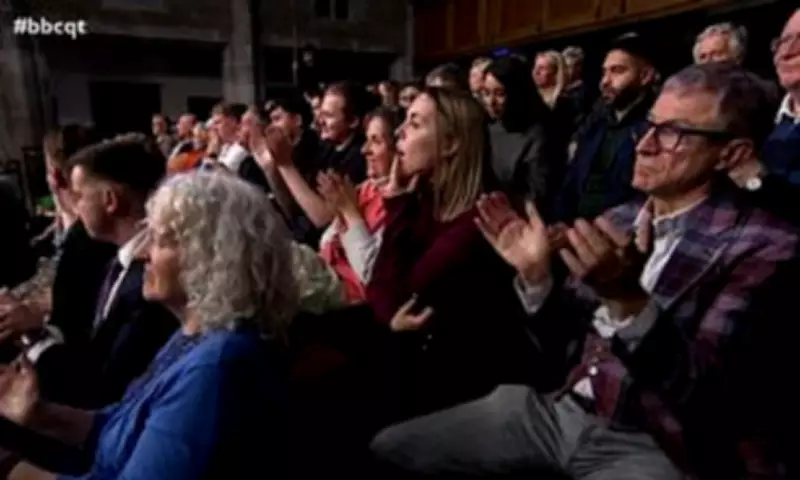
This controversy emerges alongside other recent revelations about the behind-the-scenes workings of Question Time. Another audience member, designer Andy Clarke, shared his experience via a blog post after attending a filming in Chester last year. He described how presenter Fiona Bruce greeted the audience beforehand, offering encouragement and stories.
Clarke also uncovered some of the programme's selection processes, noting that the BBC uses secret rules to control who speaks. Questions are chosen based on the volume of similar topics submitted and whether they have been addressed recently on the show. Typically, six questions are selected, with one used for an unfilmed warm-up and four or five aired during the broadcast.
The audience is also warned about restrictions once filming begins, including the inability to leave the set, prompting advice to use facilities beforehand. Despite his efforts to contribute, including wearing a distinctive rusty orange shirt and a fresh haircut, Clarke noted that Fiona Bruce did not call upon him to speak.
Programme Background and Legacy
Question Time, directed by Rob Hopkin, first aired on BBC One in 1979. The BBC describes it as a 'topical debate in which guests from the worlds of politics and the media answer questions posed by members of the public.' Over its long history, the show has produced more than 1,630 episodes across 47 series.
Hosts have included Peter Sissons, Robin Day, David Dimbleby, and the current presenter, Fiona Bruce, who took over in 2019. The programme continues to air on Thursdays at 9pm on BBC One and iPlayer, maintaining its role as a staple of British political discourse while facing ongoing scrutiny over its accessibility and audience management practices.