
In 2021, approximately six per cent of the global population, or 529 million people, were living with diabetes, predominantly type 2 diabetes (T2D). The condition, which impairs the body's ability to use and store sugars, fats and proteins, significantly increases the risk of cardiovascular disease and stroke.
New research from the Institut de recherche clinique de Montréal indicates that high levels of blood apoB, a protein component of 'bad cholesterol' (LDL), may be both a cause and consequence of T2D. The study aimed to explore whether LDL could induce chronic inflammation in adipose tissue and whether omega-3 fatty acids could mitigate this.
Researchers recruited 40 healthy volunteers who followed a 12-week regimen of omega-3 supplementation (2.7 grams of EPA and DHA per day) while maintaining their usual diet. Before supplementation, participants with high blood apoB displayed greater adipose tissue inflammation and metabolic abnormalities linked to T2D and cardiovascular risk.
After three months of supplementation, the ability of participants' LDL to induce inflammation was reduced. The omega-3 fatty acids also improved insulin secretion in response to blood sugar and enhanced fat clearance after a high-fat meal. The findings were published in Scientific Reports in 2023 and 2024.
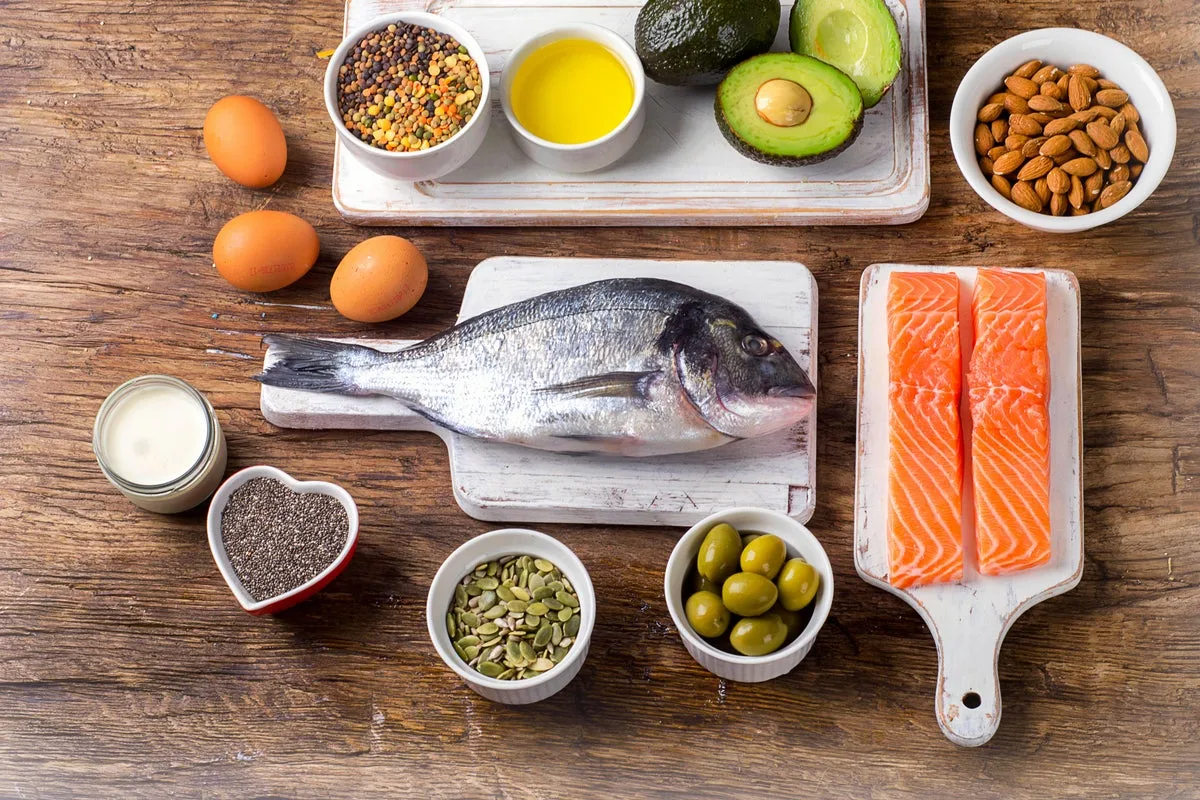
The Heart and Stroke Foundation recommends two portions of oily fish per week, such as herring, salmon or mackerel, providing approximately three grams of EPA and DHA weekly. Plant-based omega-3 sources are less effective as the body cannot convert them into EPA and DHA in sufficient quantities.




