Hospitalisations for heart failure have increased by over 50% in a decade, prompting warnings that the condition poses a major threat to the NHS. The British Heart Foundation (BHF) says the rise is “deeply troubling” and unsustainable, insisting most hospital visits for the condition are preventable.
Hospitalisations for patients whose heart is not pumping blood properly surged by 52% from 173,744 in 2014/15 to 264,417 in 2024/25. Heart failure diagnoses are expected to double by 2040. Admissions are often due to severe breathlessness, chest pain or significant fluid retention.
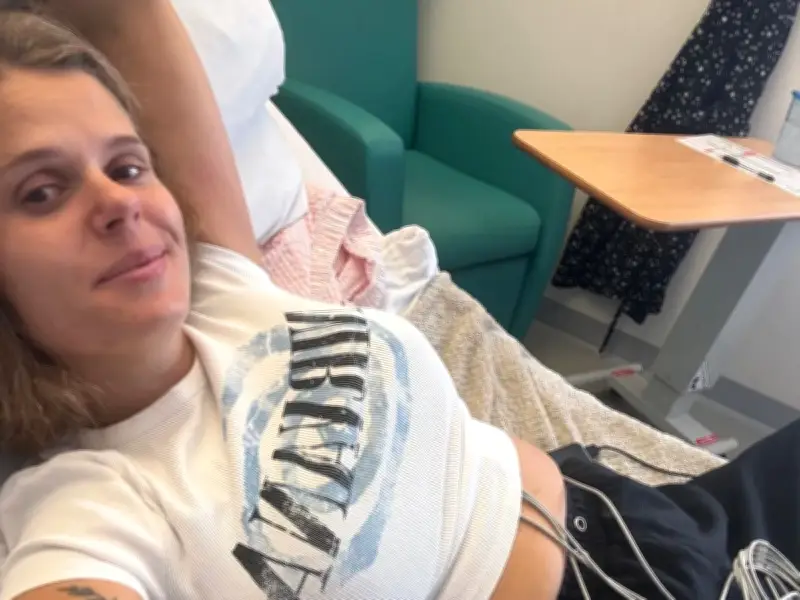
A 35-year-old woman has told how her “belly was huge” and she “woke up in the night gasping for air” after her heart failure, caused by a genetic fault, was initially misdiagnosed.
BHF analysis highlights preventable admissions
Professor Bryan Williams OBE, Chief Medical Officer at the BHF, said: “Most hospital visits for heart failure could be prevented but too often, someone is only diagnosed with heart failure when they are already seriously unwell. This analysis highlights a growing and deeply troubling pressure on an NHS already under immense strain.”
Over one million Britons have heart failure, a condition where the organ cannot pump blood efficiently enough to meet the body's needs for blood and oxygen. Research suggests up to 80% of heart failure diagnoses in England are made in hospital, despite 40% of patients having symptoms that should have triggered an earlier diagnosis.
A mother's shock diagnosis
Szandra Tar, 35, from Grangemouth in Falkirk, never suspected she might have heart failure as she was fit and regularly played volleyball. The first signs were muscle aches in her right shoulder, starting at the end of 2024. By early 2025 she could no longer walk or run a short distance without getting out of breath.
When she phoned her GP last June, she was told it was either due to over-exercising or anxiety and was prescribed medicines that can make heart failure worse. Szandra said: "My relationship had just ended so I thought that may be the cause." By July 2025 she could not climb a flight of stairs without stopping to catch her breath, and her face began to swell.
Szandra, who works for Police Scotland as a civilian in the evidence department, said: "I looked like I'd been stung by a bee. My belly was huge. I couldn't get on the trousers I'd been wearing a week before. I couldn't sleep and I woke up in the night gasping for air." After phoning her GP again, she was told the swelling was due to the heat or antibiotics, but listening to her chest revealed an abnormally fast heart rate at rest, and she was sent to hospital.
Treatment and genetic findings
Szandra spent 11 days on the cardiology unit at Forth Valley Royal Hospital, where she was diagnosed with heart failure. She said: "I was shocked when they said I had heart failure and that my heart muscle was severely weakened and damaged. I asked if I was going to die and they told me they'd try their best to make sure that doesn't happen."
She has been fitted with an implantable cardioverter defibrillator (ICD) and put on medication she will need for the rest of her life. Genetic testing revealed she has a variant that can cause dilated cardiomyopathy, a disease where the heart's chambers become enlarged and the muscle becomes thinner and weaker. Her children are now being tested for the same variant.
Szandra said: "It scares me that if I hadn't phoned the GP that day last summer, I may have fallen asleep that night and never woken up again because my heart was really struggling to pump blood which is why I was retaining so much fluid. I want to be an advocate for young people with heart failure, especially women, because there are unfortunately a lot of us out there and our symptoms can get overlooked."
Growing pressure on the NHS
The increase in heart failure hospitalisations is over twice as fast as overall hospital visits, which rose by 20% in the same period, reflecting Britain's ageing and growing population. The BHF says the UK needs better ways of diagnosing and treating heart failure at an earlier stage, as well as better community management to keep people out of hospital.
Professor Williams said: "More people are arriving in hospital with heart failure seriously unwell, often needing lengthy stays, while the pressure on staff, beds and vital cardiac services will only intensify in the years ahead unless more people receive the treatment and care they need earlier."
The analysis comes from the BHF's new CVD Observatory, which collates data on heart health across the UK. The Department of Health and Social Care said: "Through our Cardiovascular Disease Modern Service Framework, we are working to identify and treat people earlier, improve access to effective treatment and provide better ongoing care for people with heart failure."