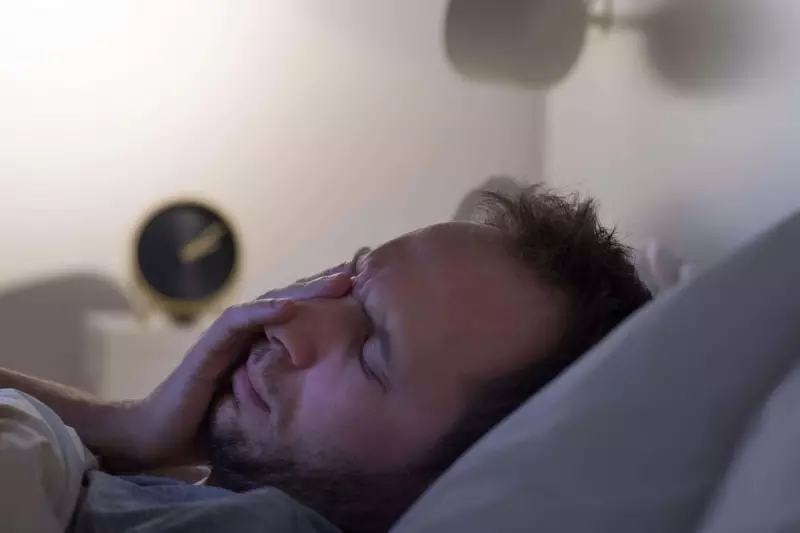
Scientists have uncovered a direct and alarming link between short-term sleep loss and increased risk of heart disease. A rigorous new study demonstrates that as little as three nights of restricted sleep can trigger measurable biological changes that harm cardiovascular health.
The Sleep Study: Controlled Conditions Reveal Stark Changes
Researchers from Uppsala University in Sweden conducted a tightly controlled laboratory experiment involving 16 healthy young men. Published on Thursday 25 December 2025, the study meticulously regulated participants' meals, activity, and light exposure. The volunteers underwent two distinct sleep phases: one with three nights of normal sleep (8.5 hours) and another with three nights of severely restricted sleep (just 4.25 hours).
After each phase, the men completed a high-intensity cycling workout, with blood samples taken before and after exercise. The analysis focused on nearly 90 different proteins in the blood, particularly inflammatory markers. These molecules are produced when the body is under stress or fighting illness. Prolonged high levels of these proteins can damage blood vessels, elevating the risk of serious conditions including heart failure, coronary heart disease, and atrial fibrillation (an irregular heartbeat).

Key Findings: Inflammation Rises, Protective Responses Weaken
The results were striking. The period of sleep deprivation caused a clear increase in inflammatory markers directly associated with a higher risk of heart disease. Furthermore, the study found that the beneficial physiological response to exercise was blunted after poor sleep.
Typically, vigorous exercise boosts healthy proteins like interleukin-6 and BDNF (Brain-Derived Neurotrophic Factor), which support both brain and heart health. However, this positive response was significantly weaker following the nights of restricted sleep. This suggests poor sleep not only adds harmful elements but also undermines the body's natural protective mechanisms.
Implications for Public Health and Shift Workers
Perhaps the most concerning aspect is that these detrimental changes were observed in young, healthy adults after only a few nights of bad sleep. This is highly relevant given how common occasional sleep disruption is among adults. The issue is exacerbated for the roughly one in four people in the UK who work shifts, a pattern known to chronically disrupt natural sleep cycles.
The research also highlighted the importance of timing. Protein levels in the blood varied between morning and evening, and these fluctuations became more pronounced under conditions of sleep restriction. This indicates that sleep affects not just the composition of our blood, but also the daily rhythm of these changes.
Lead researcher Professor Annie Curtis of RCSI University of Medicine and Health Sciences emphasises that while modern life often pushes us to sacrifice sleep for work, socialising, or screen time, the biological cost is real and immediate. The body, as this study shows, keeps a precise and unforgiving score of sleep debt through quiet chemical changes with serious long-term consequences for heart health.