
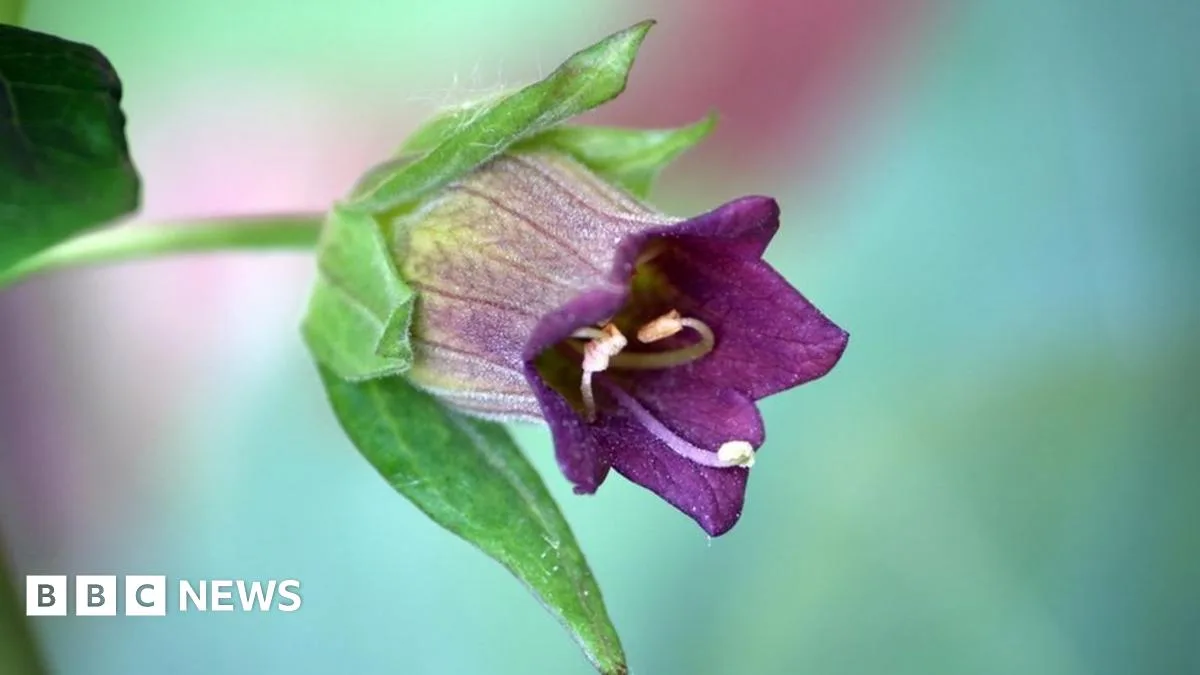
Experts have issued a warning about the presence of deadly nightshade and other toxic plants across the UK, following concerns over hemlock found near a school in Suffolk. Professor Iain Barr of the University of East Anglia highlighted that deadly nightshade, one of the UK's most poisonous plants, can be fatal if just a couple of berries are ingested.
Deadly nightshade contains tropane alkaloids and is part of the tomato family. It can be found in woodlands, though it is less common than in the past. Despite its toxicity, the plant is used to extract atropine sulphate, a nerve-gas antidote.
Other dangerous plants include giant hogweed, which can cause burns and blisters upon contact with its sap, and foxglove, which is toxic in all parts and can cause heart and kidney problems if consumed. Hemlock water dropwort, common in the Norfolk and Suffolk Broads, is also highly toxic, containing a convulsant that targets the central nervous system.
While deaths from toxic plants are rare in the UK, with six recorded in 2016, experts advise caution and recommend admiring these plants from a safe distance.




