
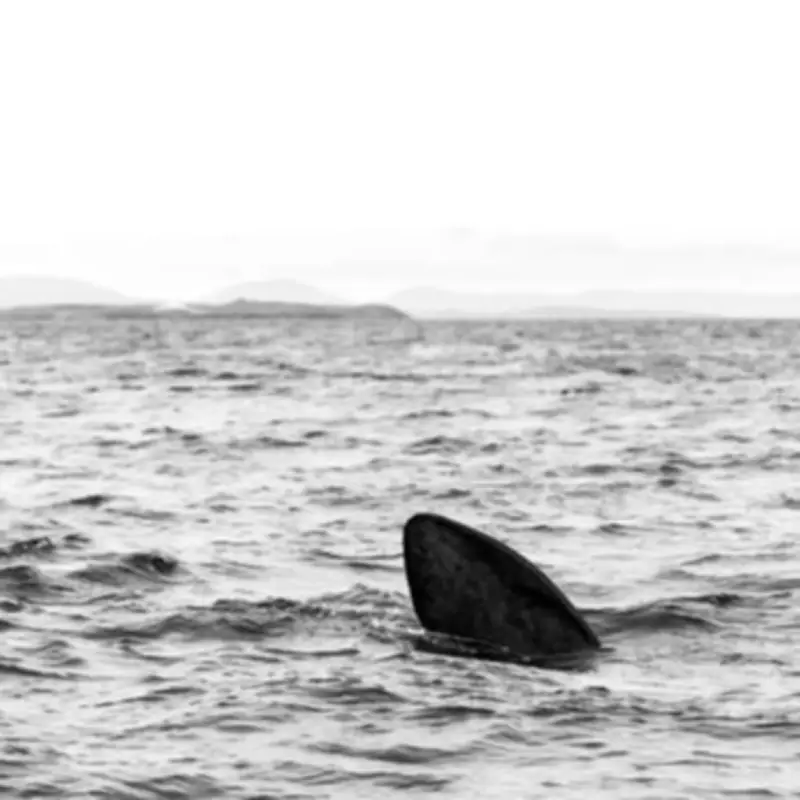
Three giant sharks have been spotted off the coast of Britain, swimming around in a pack. The mammoth trio were filmed cruising together, moving in formation just below the surface of the water.
Astonishing Footage of Harmless Giants
Astonishing footage showed the sharks gracefully swimming in unison. Each was around 15-to-20-feet long. And despite their fearsome appearance they were actually harmless basking sharks.
They were spotted in Donegal Bay, Ireland. Witness Stephen Dunbar said: "Ireland is the best place in the world to see these incredible creatures. There was huge numbers over the last few days. They often feed together."
Previous Sightings and Expert Insights
In April John Paul Baska spotted another monster basking shark off Arranmore Island, County Donegal. At the time he said: "It was big, maybe 35-feet-long. I have seen bigger ones. But the family of five who were on the charter were impressed. There was plenty of plankton for the sharks to feed on. And great fishing too."
The basking shark is the second-largest fish in the world, beaten only by the whale shark. It is one of just three plankton-eating sharks, alongside the whale shark and the rare megamouth shark. These gentle giants can be found swimming alone or in small groups. They pose no danger to humans.
Great White Sharks Could Be Next
It comes as experts warn that Great white sharks could very soon be cruising off Britain’s coastline. And boffins reckon that with the ever changing climate heating waters near the UK it has been “surprising” that one hasn’t turned up yet.
Shark expert Dr Jack Cooper says Great white sharks swimming in English waters is “an inevitability” as seas warm. He warns it’s not about whether they’ll show up on the coasts of places like Cornwall, Devon or even Blackpool, but when. The expert said: “In short, it is an inevitability at our current pace of climate change, but we can’t say for sure when. Climate change is indeed causing global sea temperatures to rise and this has forced many shark species to move polewards into more favourable environmental conditions”.




