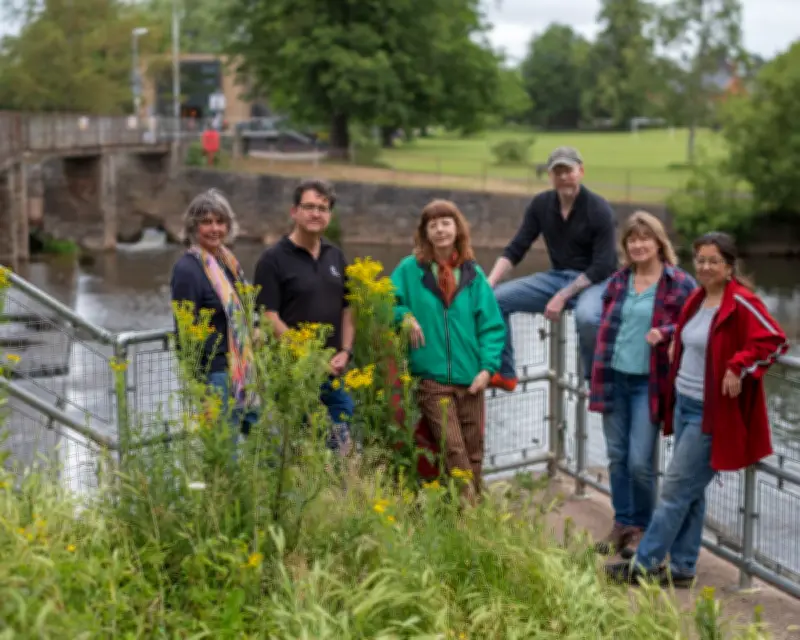
More than 1,000 volunteers across Somerset are taking part in a comprehensive wildlife survey aimed at identifying risks to local species and informing conservation efforts. The initiative, led by the Somerset Wildlife Trust, involves participants recording sightings of mammals, birds, insects, and other wildlife in their gardens, parks, and green spaces.
Survey Details and Volunteer Involvement
The survey, launched in spring 2026, asks volunteers to spend at least 30 minutes per week observing and logging wildlife. According to the Somerset Wildlife Trust, the data collected will help create a detailed picture of how species are faring amid pressures such as habitat loss, climate change, and pollution. Volunteers have already submitted over 15,000 records, with hedgehogs, house sparrows, and common carder bees among the most frequently spotted species.
“The response has been overwhelming,” said Dr. Emma Richards, a conservation officer at the trust. “We have people of all ages taking part, from schoolchildren to retirees. This level of engagement is crucial for understanding the real state of our wildlife.”

Key Findings and Wildlife Risks
Preliminary results indicate declines in some once-common species, such as the European hedgehog, which has been recorded in only 30% of surveyed gardens, down from 50% a decade ago. In contrast, sightings of goldfinches and red kites have increased, suggesting some species are adapting to changing conditions. The survey also highlights risks from domestic cats, with 12% of participants reporting cat attacks on birds or small mammals.
“Our data will inform local conservation strategies,” Richards added. “We need to create more connected habitats and reduce threats like traffic and pesticide use.”
Impact on Conservation Policy
The survey results will be shared with local councils and national agencies to guide planning decisions and funding allocations. Somerset County Council has already pledged to incorporate the findings into its biodiversity action plan, which aims to protect and enhance wildlife corridors across the county.
Volunteer coordinator Mark Jenkins noted: “This is citizen science at its best. Every sighting counts, and together we can make a real difference for Somerset’s wildlife.”