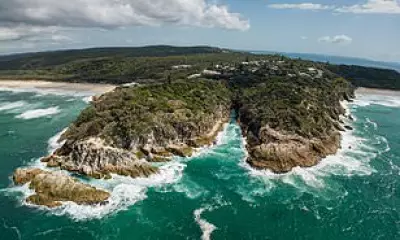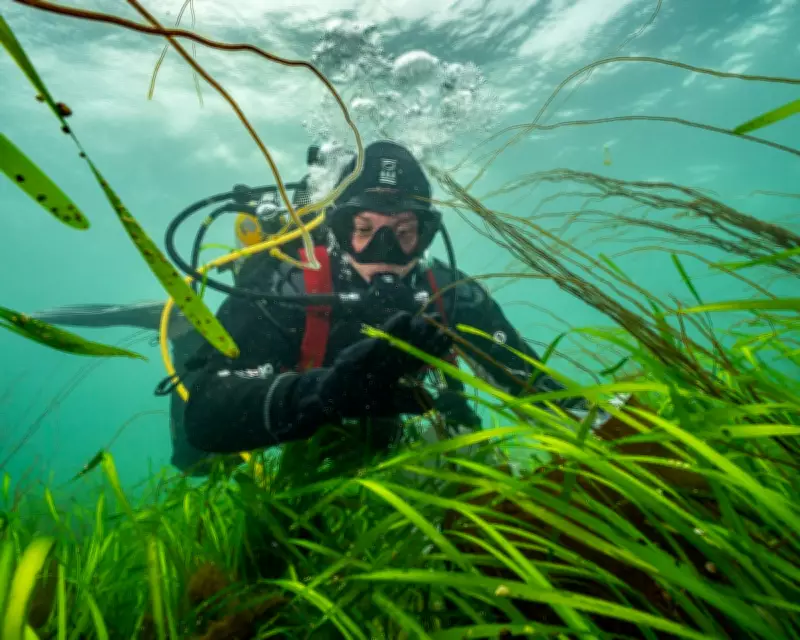
In the golden sands of Penrhyn beach on Ynys Môn (Anglesey), north Wales, a dedicated team is embarking on an ambitious mission to revive the UK's vanishing seagrass meadows. Dr Oliver Thomas, senior science officer at Project Seagrass, describes the work as a unique form of sea gardening, where flashes of eel grass are nurtured back to life. These underwater swards, once vibrant across British coasts, have suffered catastrophic losses, with up to 92% destroyed over the past century due to pollution, development, and climate impacts.
The Challenge of Underwater Restoration
Restoring seagrass is no simple task. The meadows serve as vital nurseries for fish like cod, clean water, store carbon, and protect coastlines. However, recent harsh winters and storms have set back progress. Thomas notes that while last October showed promise, heavy rains and darkness this winter have hit the plants hard. Yet, hope persists as mahogany rhizomes packed with sugars remain ready to sprout with the sun's return.
Community Efforts and Innovative Techniques
Volunteers, including 12-year-old Annabelle Campbell-Priest, are meticulously planting millions of seeds by hand using caulking guns and recycled sealant tubes. Each square meter receives 320 pine nut-like seeds, a labor-intensive process that Campbell-Priest finds rewarding despite the physical strain. Rhun ap Iorwerth, leader of Plaid Cymru and local Senedd member, emphasizes the importance of engaging young people, as these meadows will be their legacy to protect.

Innovative methods are also in play, such as a hand-pushed seeding machine for faster planting, though it requires strenuous effort. The team faces numerous obstacles, from lugworms devouring seeds to Brent geese feasting on young grass. Storms like Babet and Ciarán in 2023 have wiped out new meadows, highlighting the vulnerability of restoration efforts.
Scientific Insights and Broader Impacts
Prof Richard Unsworth, chief scientist at Project Seagrass, explains that the charity is learning through trial and error, having conducted over 70 experiments to optimize seed harvesting, storage, and planting depths. Sites across the UK, from the Isle of Wight to south Wales, are showing success, with restored meadows attracting fish and birds. The restoration in the Wadden Sea, Netherlands, serves as an inspiration, demonstrating that years of concerted effort can yield significant wins.
Seagrass meadows not only support marine life, including crabs, cuttlefish, and seahorses, but also breathe oxygen into sediments, fostering a hidden ecosystem of worms and shrimps. Techniques like "seagrass hugs," where adult plants protect new seedbeds, are being tested to enhance survival rates.
Political and Economic Dimensions
Wales has become the first country globally to adopt a national action plan for seagrass restoration, targeting 250 hectares by 2030. Ap Iorwerth links environmental benefits to economic gains, such as boosted fishing and tourism. With Plaid Cymru leading in polls ahead of May's Senedd elections, he pledges continued support for coastal communities and conservation projects.
As Project Seagrass expands its efforts, the collaboration between scientists, volunteers, and policymakers underscores a growing commitment to reversing ecological decline. While challenges remain, from climate extremes to invasive species, the determination to restore these underwater gardens offers a beacon of hope for marine conservation in the UK and beyond.