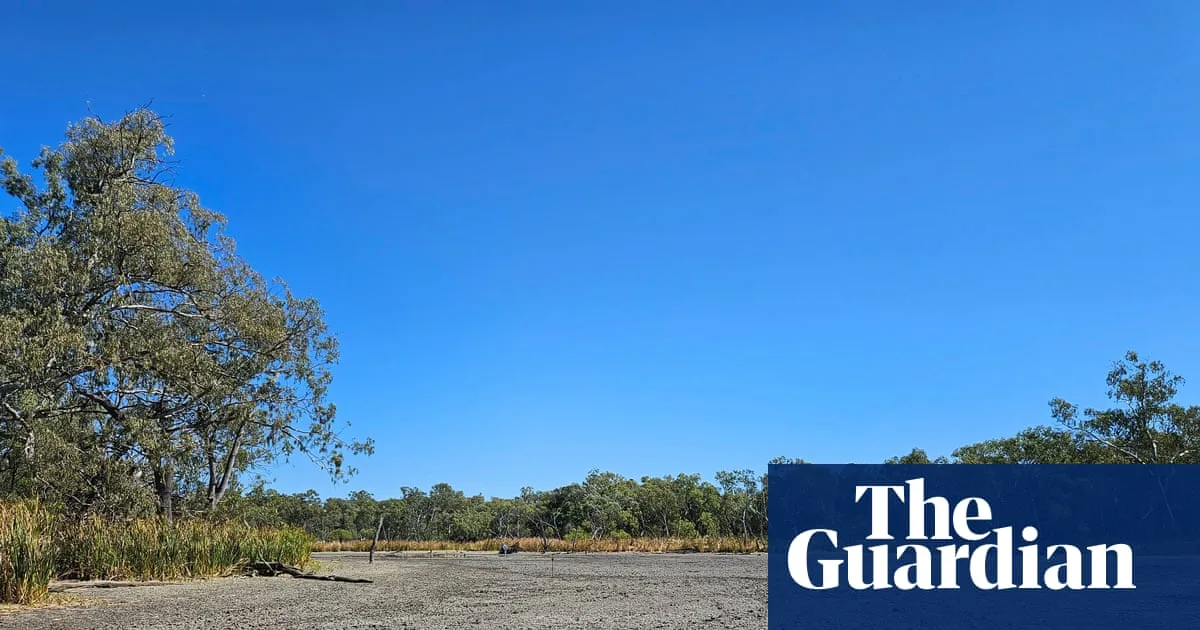
A catastrophic environmental event is unfolding in New South Wales after WaterNSW halted environmental water flows to the Gwydir wetlands near Moree, leaving hundreds of turtles dead or stranded, alongside waterbirds, frogs and sheep. Researchers from the University of New England (UNE) have been rescuing turtles trapped in drying mud, but many have already perished, including older females carrying eggs.
Conservation biologist Professor Deb Bower described the situation as a “disaster” and “incomprehensible”, noting that water is available in Copeton dam but is not being released. She said her team has rescued 40 turtles in four days, 39 of which were sent to Taronga Zoo in Dubbo, while the same state government withholds water that could save them and other wildlife.
The environmental flows were intended to continue until mid-to-late April but were abruptly stopped in early March, reportedly after a landowner complaint about overflow on their property. The Gingham watercourse supports four internationally significant Ramsar-listed sites and many species rely on both natural rains and managed environmental flows under the Murray-Darling basin plan.
Local grazier and conservationist Jonathon Guyer said the sudden cessation caused fledgling chicks and eggs to be abandoned, 90 per cent of frogs to die, and endangered migratory species such as the Australasian bittern and painted snipe to flee. He also found more than 100 bogged sheep on his property and had to euthanise 56 older ewes that had been attacked by crows while trapped.
Greens MLC Cate Faehrmann, who filmed the scene, called it an environmental catastrophe and urged the water minister to order an immediate restart of environmental flows. The protection of ecological values is deliberately prioritised in the state’s water laws, she said.