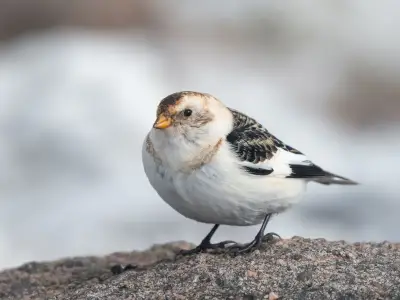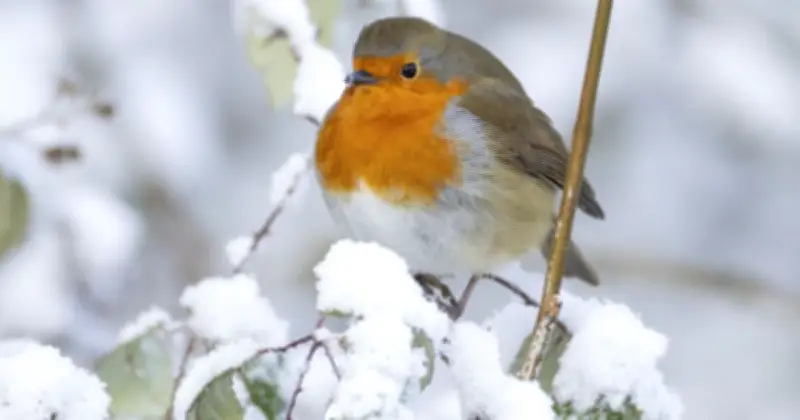
Gardeners across the UK are being encouraged to make small changes to help birds survive the cold winter months. With temperatures dropping, many birds will be seeking shelter and food, and simple tweaks to what you put in your garden could turn it into a feast.
The Natural History Museum has listed the birds most likely to appear in gardens during autumn and winter, including starlings, sparrows, blue tits, blackcaps and the robin, the UK's favourite bird.
When birds need food most
According to experts at the Royal Horticultural Society (RHS), the period between November 1 and April 30 "is the hungriest time of year when birds look for food in gardens." They recommend offering seeds and peanuts in feeders, along with small amounts of mealworms, fat balls and suet, to attract birds.
To turn a garden into a feast for birds, the RHS suggests leaving seed heads on herbaceous plants over winter, as sparrows, finches and nuthatches enjoy prising seeds out of sunflower heads. Nyjer seed is liked by goldfinches, greenfinches and siskins, while mealworms are a high-protein source particularly enjoyed by robins and other insect-eating birds.
Fruit, fat and planting tips
Thrushes and blackbirds favour fruit, so scattering over-ripe apples, raisins and song-bird mixes on the ground can help, though the RHS notes raisins can be toxic to dogs. Planting berrying shrubs and trees, including Malus, Sorbus, Cotoneaster and Pyracantha, is also recommended.
Fat or suet is important in winter when birds need to maintain fat reserves to survive the cold. The RHS suggests adding seed or fruit to homemade fat blocks to see which birds enjoy them most.
Safety advice for feeding
The Woodland Trust advises people wanting to attract robins to leave out raisins, seeds, sunflower hearts, fruit, suet and crushed peanuts, noting the red-breasted bird "particularly enjoy mealworms." It cautions against putting out milk, as it can make birds ill, and advises avoiding bread, which fills birds up but lacks the nutrients and energy they need, especially in winter.
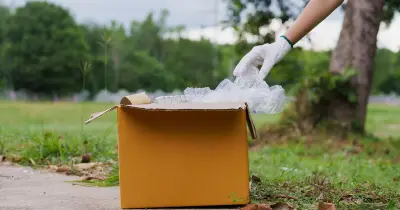
The RHS warns that plastic nets around fat balls must be removed, as birds such as woodpeckers can get caught in the mesh. It suggests using wire-mesh feeders for peanuts and standard seed feeders for other seeds, and making homemade fat blocks by melting suet into moulds such as coconut shells or holes drilled into logs.
Flat feeders like bird tables and window feeders should be avoided, as they can encourage the spread of diseases such as trichomonosis among finches. To limit infections, the RHS advises keeping feeders clean, refilling little and often with one to two days' worth of food, and changing feeder positions to avoid fouling the ground underneath.