Rare Blue-Based Earthtongue Fungus Discovered for First Time in UK
A fungus species never previously recorded in the United Kingdom has been discovered flourishing within a nature reserve in West Sussex, sparking excitement among enthusiasts and providing encouragement for environmental conservation efforts.
Historic Discovery in Ancient Woodland
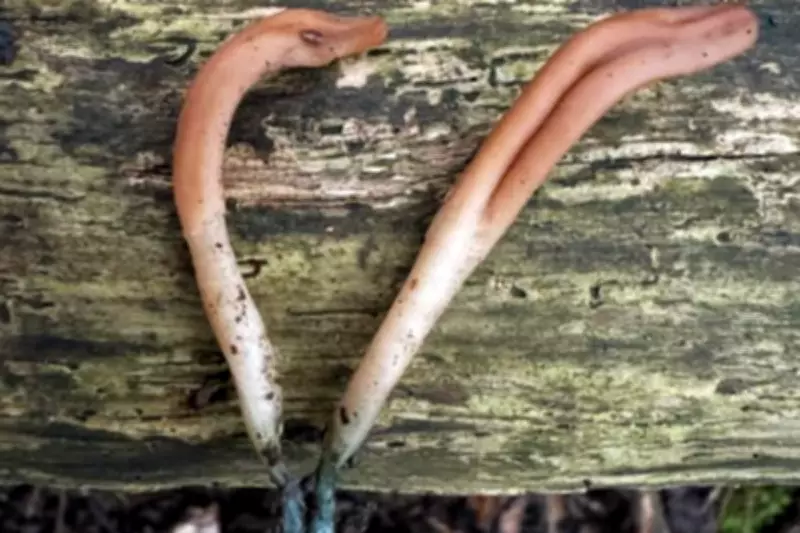
The Blue-Based Earthtongue, scientifically known as Microglossum cyanobasis, was identified by fungi enthusiast Liz Frost during a walk through Kingley Vale National Nature Reserve, located north of Chichester. This remarkable find marks the first official sighting of this species within British territory.
"I was so excited to stumble upon this extraordinary tiny, delicate tongue-shaped fungus while exploring at Kingley Vale National Nature Reserve," Ms Frost stated. "Little did I know, I had just made the first ever UK sighting of the Blue-Based Earthtongue."

Origins and Identification Process
This particular species, which resembles pale tongues protruding from the ground, was originally discovered in Spain nearly two decades ago. Following her initial observation, Ms Frost counted six fruiting bodies on the first day, returning the next day to find an additional twelve specimens.
To confirm the identification, Ms Frost shared photographs of her discovery within the British Mycological Society's Facebook community. Remarkably, the same individual who first identified the species in Spain back in 2009 suggested that the West Sussex find might represent the same rare fungus.
For definitive verification, the British Mycological Society supported DNA sequencing tests that revealed a 99 percent match with the original Spanish sample, conclusively confirming the species' identity.
Characteristics and Habitat Significance
Experts note that the Earthtongue fungus could easily be overlooked due to its small size and excellent camouflage. When fully extended, the delicate tongues measure approximately 4.5 to 5 centimeters in height with fragile, slender stems.
The species derives its name from its distinctive subtle bluish-green coloration, particularly noticeable near the base—an unusual characteristic among fungi that helps distinguish it from similar species. The scientific name cyanobasis literally translates to "blue base."
Rachel Guy, manager of Kingley Vale National Nature Reserve for Natural England, emphasized the ecological importance of this discovery: "The presence of the fungus signals undisturbed, nutrient-poor grasslands and long-established woodland soils. These environments are becoming increasingly rare due to fertilisation, drainage, ploughing, and land-use change."
Conservation Implications
Kingley Vale Nature Reserve, situated within the South Downs, contains some of Europe's most significant ancient yew forests, with certain trees estimated to be over 500 years old—among Britain's oldest living organisms.
"The discovery of the Earthtongue fungus shows off high-quality habitats and highlights the value of our 224 National Nature Reserves in England," Ms Guy added. "These special places of exceptional ecological value are a credit to everyone who looks after them."
This finding underscores the critical importance of preserving undisturbed natural habitats and demonstrates how even well-studied ecosystems can continue to reveal new biological treasures nearly twenty years after a species was first recognized elsewhere.