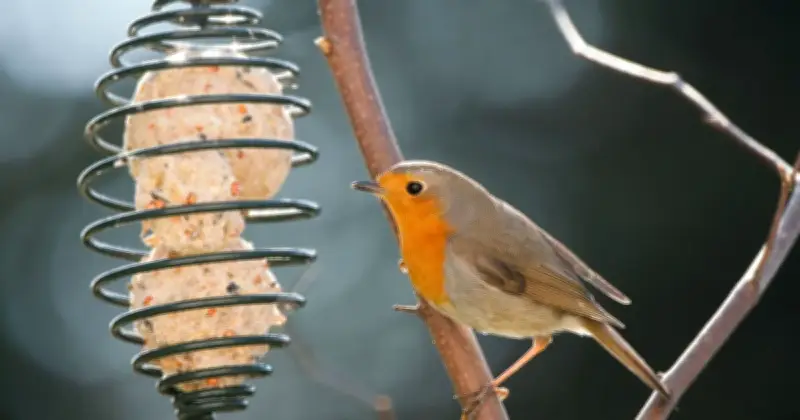
Bird lovers across the UK are being urged to make an important change to their gardens ahead of winter. From this week, Britons with garden bird feeders can officially resume putting out a full variety of foods, including seeds and peanuts, to attract colourful wildlife.
Between May 1 and October 31, wildlife experts at the RSPB urge gardeners to pause seed and peanut feeders to help curb the spread of trichomonosis. This is a severe, contagious parasite that has caused dramatic population drops in finches across the country.
When to resume feeding
Peanuts and seeds can be re-introduced to bird feeders from November 1. From November 1 through April 30, the lower risk of disease spread during colder months means garden visitors can once again enjoy these calorie-dense treats.
Those planning to load up bird feeders with peanuts should use only unsalted, unseasoned peanuts that have been aflatoxin-tested (certified mould-free). According to the RSPB, aflatoxin can kill birds if they eat it.
Garden visitors and health benefits
Late autumn brings a bustling mix of birds into British backyards, ranging from familiar year-round residents like robins, blackbirds, and song thrushes to incoming winter migrants such as redwings arriving from northern Europe.
Regular visits from birds are a sign of a healthy garden ecosystem and help to keep caterpillars and aphids in check, which can damage garden plants. But this only works if the birds are kept healthy.
Safe feeding habits
The RSPB emphasises that safe feeding habits must accompany the return of seeds and peanuts. Feeders should be thoroughly cleaned at least once a week with warm, soapy water or a mild disinfectant, and fresh tap water in bird baths should be replaced daily to ensure clean drinking and bathing water.
To further protect garden wildlife, gardeners are advised to use hanging tubular feeders rather than flat bird tables or window trays, where regurgitated food and bacteria can collect. Birds should never be fed salty foods, as this causes dehydration. All cooked food should be avoided in bird feeders and compost heaps, as this can attract unwanted visitors, such as rats.