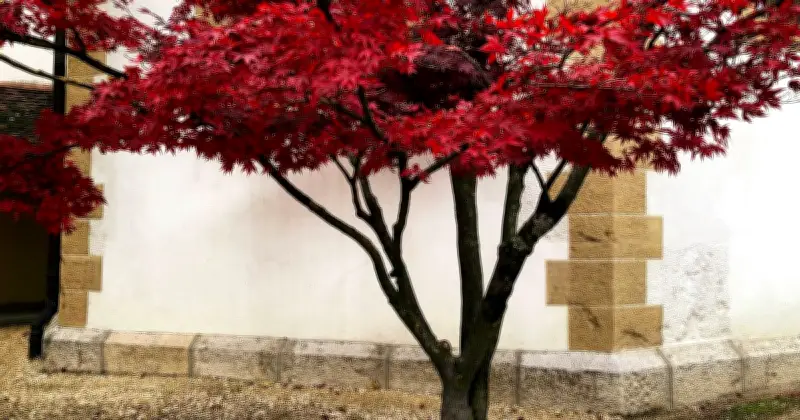
Gardeners are being urged to water their Japanese maples in the morning this autumn to keep the trees healthy throughout winter. The advice comes from gardening specialists at Plant Addicts, who warn that autumn winds can dehydrate trees before they enter dormancy.
Japanese maples are currently displaying their striking autumn colours, but they still need considerable care to prepare for the colder months. Although October is typically wet, it is vital to monitor these trees frequently, as strong winds can prevent them from receiving sufficient water.
Why Morning Watering Matters
One specialist explained: "The best time of the day to water Japanese maples is during the morning, which allows plenty of time for the roots to soak up the water."
The expert added: "If watering during the evening, try not to get the leaves wet, as the slower evaporation time at evening and night can facilitate the spread of diseases."
Fungal spores are particularly active in autumn due to moist conditions, and they are more prone to infecting plants that remain wet for extended periods. Watering in the morning helps prevent disease and stops roots from sitting in water overnight, which can lead to rot and decay.
Checking Soil Moisture
It is not advisable to water Japanese maples on a fixed schedule, as waterlogged soil can attract pests, mould and disease during this period. Instead, gardeners should insert a finger into the soil around the base of the tree.
The expert said: "To be sure, check to see if the soil is dry or cracked. If the soil feels dry, it is a good time to water."
Autumn typically brings abundant rainfall, so watering once a week is usually sufficient. However, in October, it is essential to check the soil every couple of days to ensure the tree remains properly hydrated before the ground freezes.
If Japanese maples become parched over winter, their roots can shrivel, significantly weakening the tree and stopping it from producing leaves the following year. Investing time in caring for the tree now should keep it robust through the colder months, allowing gardeners to enjoy its stunning foliage again next year.