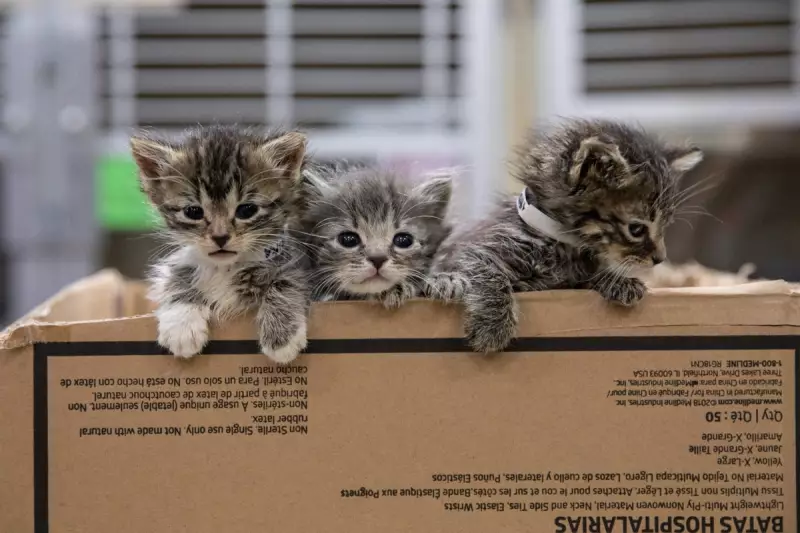
New York City's animal shelters are facing an unprecedented crisis as overcrowding reaches alarming levels. According to recent reports, intake numbers have surged, leaving facilities stretched beyond capacity and countless animals in desperate need of homes.
A System Under Strain
The city's Animal Care Centers (ACC) have reported a significant increase in abandoned and surrendered pets, with many shelters operating at or above 100% capacity. "We're seeing more animals coming in than going out," said one ACC representative. "It's a perfect storm of economic hardship, housing instability, and post-pandemic challenges."
The Human Factors Behind the Crisis
Several factors are contributing to this growing problem:

- Rising living costs forcing pet owners to make difficult choices
- Housing restrictions that limit pet ownership
- Decreased adoption rates compared to pandemic highs
- Increased stray populations due to reduced spay/neuter programs during COVID
How New Yorkers Can Help
Shelter officials are urging the community to take action through:
- Adoption: Consider giving a forever home to a shelter pet
- Fostering: Provide temporary care to ease shelter overcrowding
- Donations: Support shelters with supplies or financial contributions
- Advocacy: Push for pet-friendly housing policies
"Every small action makes a difference," emphasized an ACC volunteer. "These animals didn't choose to be in this situation - they're counting on us to help."
The Urgent Need for Solutions
With kitten season approaching and economic pressures continuing, shelters warn the situation may worsen before it improves. Animal welfare organizations are calling for systemic changes, including increased funding for low-cost veterinary services and stronger protections for pet owners facing eviction.
For those unable to adopt or foster, simply spreading awareness about the crisis can have a significant impact. "The more people know, the more lives we can save," shelter staff noted.