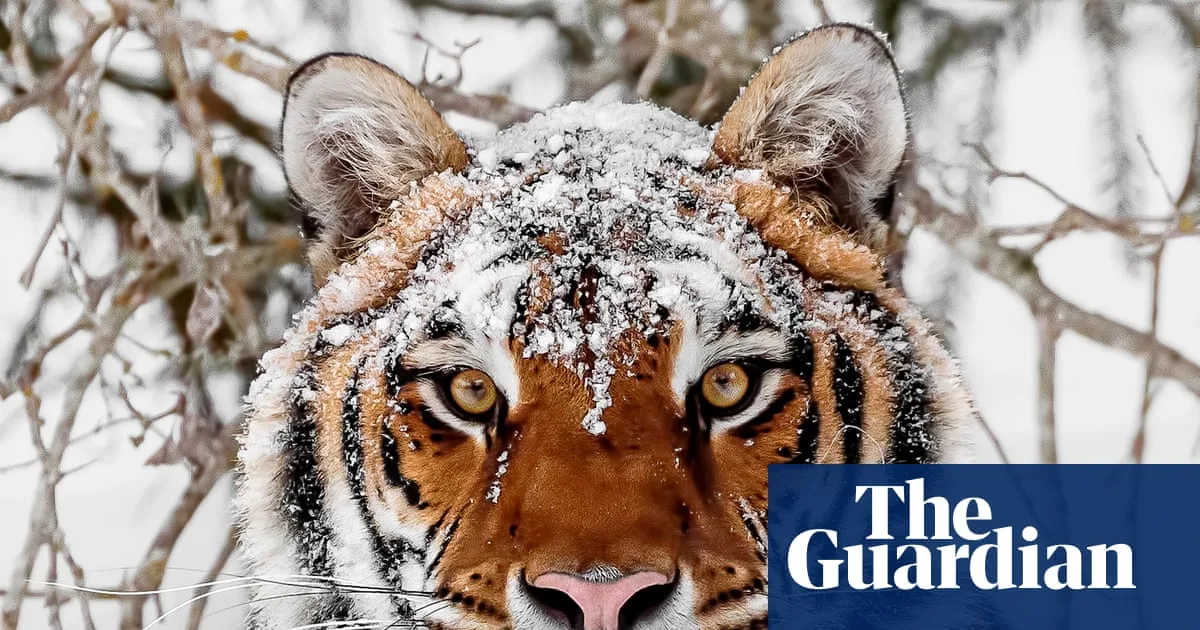
Siberian Tiger Attacks Surge as Food Shortages Force Predators Into Villages
Hungry Siberian tigers attack humans amid food crisis

‘The Tigers Are Hungry’: A Deadly Winter in Siberia

The remote villages of Siberia are experiencing their deadliest winter in decades as endangered Amur tigers, the world's largest big cats, are increasingly leaving their forest habitats and attacking people. This unprecedented surge in human-tiger conflicts stems from a catastrophic collapse in the tigers' natural prey.

The Perfect Storm Driving Tigers to Villages

The crisis has multiple causes creating a perfect storm. African swine fever, a virus with a near 100% fatality rate for pigs, has devastated populations of wild boar, a primary food source for Amur tigers. Scientists describe this as an ecological disaster with enormous knock-on effects. Compounding this, unrestricted deer poaching and increased logging in the tigers' ranges have further depleted their food supply, pushing the hungry predators into human settlements in search of sustenance.

The attacks began with tigers snatching guard dogs and livestock on the edges of villages. The situation escalated tragically during the winter. In January, an ice fisher was mauled and dragged away, just weeks after a forester was killed. In March, another man was attacked and partly eaten. This period marked the deadliest season for tiger attacks on people in the region for decades.

Conservation Efforts and Political Tensions

Official figures from the Russian government, bolstered by President Vladimir Putin's conservation push, suggest the Amur tiger population has recovered to around 750 animals from a low of just 40 in the 1940s. However, the recent data on conflicts tells a different story. Between October 2024 and September 2025, at least 17 Amur tigers were killed and 27 were captured. Many of the captured cats were found emaciated, dehydrated, or suffering from gunshot wounds.

An unnamed Amur tiger expert stated plainly, "The tigers are hungry. That is why we are seeing these incidents." They added that conservation has become politicised in Russia, making some experts fearful of speaking out. The main conservation body, the Amur Tiger Centre established by Putin, has downplayed the concerns. Its director general, Sergey Aramilev, recently claimed that human deaths in tiger attacks are "extremely rare" and that most attacks are provoked by humans.

Despite the official stance, frustration is growing among local communities. Residents have taken to social media to complain about tigers hunting their dogs, and some have even pledged to boycott local elections until they receive better protection. International experts like Dr Matthias Markolf from Cologne Zoo confirm the global severity of African swine fever, noting similar spikes in tiger conflicts in Sumatra and Malaysia.

Conservationists argue that the solution lies in protecting the tigers' ecosystem. "If we keep the ecosystem, we keep the tigers," one expert said. "African swine fever wouldn’t be such a big problem if the forest was in good condition." The future of this iconic, endangered predator now hinges on addressing the complex web of disease, poaching, and habitat loss that is forcing them into a deadly confrontation with humans.