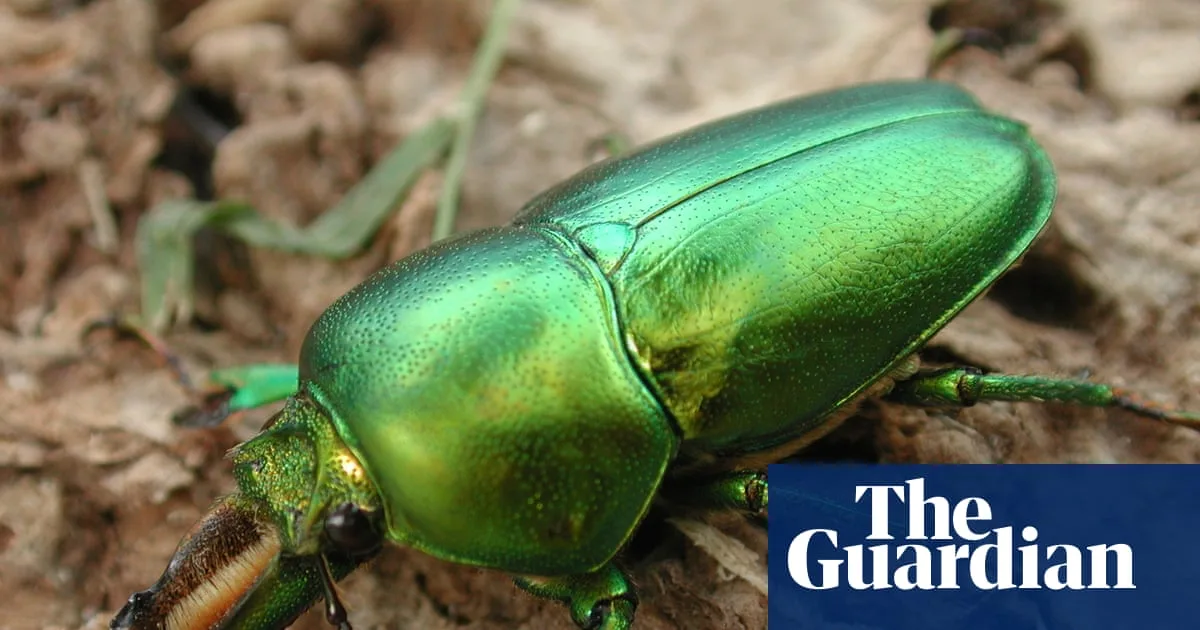
Lord Howe Island, a world heritage-listed island off Australia's east coast, has seen a remarkable resurgence in its unique insect populations following the successful eradication of invasive rats and mice in 2019. A study published in the journal Biological Invasions reports a 60% increase in the total number of invertebrates across the island, including stag beetles, weevils, and bush cockroaches.
The island, formed from a 7-million-year-old volcano, is home to over 1,600 known invertebrate species, about half of which are found nowhere else on Earth. Invasive rodents had decimated native flora and fauna since arriving in the 19th and early 20th centuries, driving several species to extinction. The eradication program removed an estimated 300,000 rats and mice.
Researchers from the University of Sydney and the New South Wales government collected over 24,000 invertebrate specimens from 20 sites before and after the eradication. Lead author Maxim Adams described the recovery as extraordinary, noting that the island's ecosystem is beginning to reorganise itself. 'Almost every part of the ecosystem is going to benefit,' he said, predicting increases in birds, geckos, and skinks.
Naturalist Ian Hutton reported that the island's unique ground-nesting woodhen is thriving, and the forest understorey is regrowing as seedlings no longer eaten by rodents. In a recent discovery, Hutton found a weevil species thought extinct for over 100 years, now breeding again. 'I go out with tourists on walks at night and we find these really striking beetles and snails. Wonderful,' he said.