Chris Bonnett, founder of GardeningExpress, is encouraging gardeners to start preparing their plants and crops for colder weather before the end of November. With temperatures beginning to drop, frost can hit unexpectedly, especially overnight.
This autumn has been fairly mild so far, and El Niño has meant a wetter and warmer season than usual has been forecast. However, heavy rainfall can leave soil waterlogged, depriving plants of airflow and increasing the risk of root rot, while strong winds can damage plants and newly planted trees.
Weather risks in November
In October, the UK saw two storms within a couple of days, and the Met Office reports that the second half of November could bring more unsettled weather with rain and strong winds. Having a plan in place and an understanding of what to do when the weather takes a turn can help save plants and crops from damage.
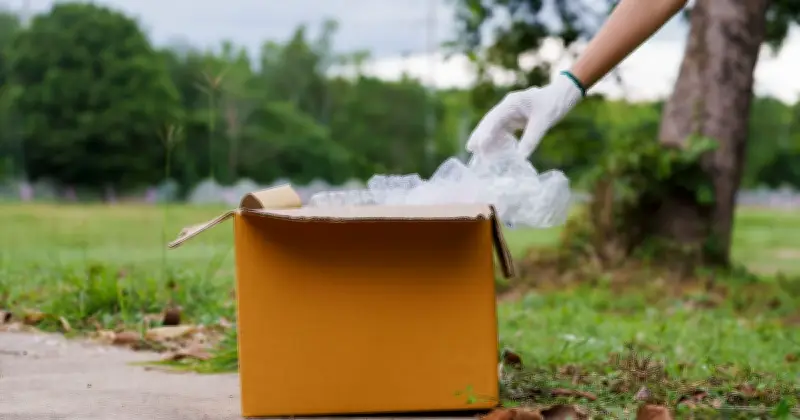
One of the first things to consider is which plants are most at risk. This tends to be tropical plants, tender plants, young trees, newly planted shrubs and plants in containers. These will be at risk of frost damage as temperatures drop, so it is important to have everything needed to protect them, whether that is horticultural fleece, bubble wrap or plant covers.
Protecting plants and preparing the garden
Tender potted plants can be moved into a greenhouse, conservatory or frost-free shed. Pots that are not being moved can be propped up onto pot feet, bricks or blocks to improve drainage and prevent them from sitting in cold, waterlogged soil. Plants can also be wrapped in bubble wrap or horticultural fleece to help keep the roots warm in freezing temperatures.
Plants and crops in beds that cannot be moved will need to be covered when temperatures drop, using horticultural fleece. The fleece should be wrapped loosely to allow for airflow, and on milder days it should be removed to let plants breathe and prevent excess moisture building up. It can be secured with pegs or garden clips so it does not blow away in strong winds.
Additional tasks before winter
Washing the greenhouse is a job that is often overlooked. Cleaning the glass maximises winter light, helping to keep plants and crops warm. Clean glass panels, remove any debris from inside and ensure ventilation is good to prevent condensation and fungal issues.
Climbing plants such as roses, clematis and honeysuckle should be checked to ensure they are firmly attached to their supports. Soft garden ties or twine can be used to secure loose stems to trellises or fences. Newly planted trees should also be checked to make sure their stakes are secure and are not rubbing against the trunk.
With potential high winds predicted in November, it is worth moving any lightweight garden furniture, ornaments and empty pots into storage to avoid damage. Those who take the extra time to prepare and protect their gardens now will reap the benefits in the spring, as plants protected from frost, waterlogging and wind damage will be in a much better position to grow.