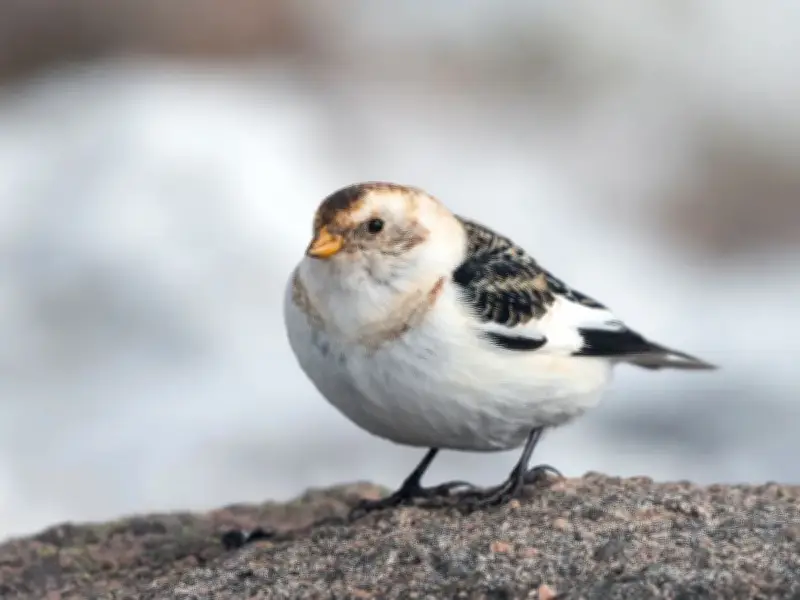
Bird lovers hoping to attract a rare visitor to their gardens this winter have been given a simple tip by the RSPB: place food on the ground rather than in hanging feeders. Snow buntings, an Amber List species of conservation concern in the UK, prefer to feed on the ground, so food placed too high could be overlooked.
Snow buntings prefer ground feeding
While putting out seeds and dried insects is a great way to encourage wildlife into your garden, snow buntings have a slightly different preference when it comes to finding food. According to the RSPB, these rare birds prefer to feed on the ground rather than from traditional hanging feeders, so they could easily overlook food that is placed too high up.
Those living near upland areas, coastal or farmland could be lucky enough to spot these distinctive birds during the winter months.
How to identify snow buntings
The RSPB describes snow buntings as "large buntings, with striking 'snowy' plumages". A statement said: "Males in summer have all white heads and underparts contrasting with a black mantle and wing tips. Females are a more mottled above."
In autumn and winter, birds develop a sandy/buff wash to their plumage and males have more mottled upperparts. Globally, they breed around the arctic from Scandinavia to Alaska, Canada and Greenland and migrate south in winter.
"They are a scarce breeding species in the UK, in Scotland, making them an Amber List species. They are more widespread in winter in the north and east when residents are joined by continental birds. They are listed under Schedule 1 of the Wildlife & Countryside Act, making it illegal to disturb Snow Buntings."
Feeding birds during the colder months
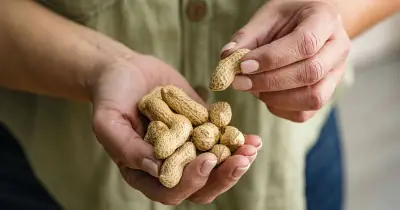
When it comes to feeding garden birds between November 1 and April 30, the RSPB recommends putting out bird food and water throughout winter and spring, when natural food sources are more scarce. It also suggests feeding seeds, peanuts, suet and mealworms during colder months, when the risk of trichomonosis is lower.
The RSPB advises adjusting the amount of food provided to meet demand and never allowing uneaten food to build up. Food in feeders should be eaten within one or two days, while suet should be eaten within seven days. Old food should be removed before refilling feeders and water should be replaced daily.
Snow buntings spotted visiting UK gardens
Meanwhile, birdwatchers have been sharing photographs of snow buntings visiting the UK during their winter migration. One Reddit user shared a picture of the birds and wrote: "Snow buntings returning from their Scandinavian summer grounds to winter on the Kent coast."
The post prompted plenty of admiration, as one person commented: "They've got very sweet faces haven't they." Another added: "Such gorgeous little birds." A third user said: "That blusher is adorable!" A final person wrote: "What precious little birds they are. I like their happy wee faces. Great photos."