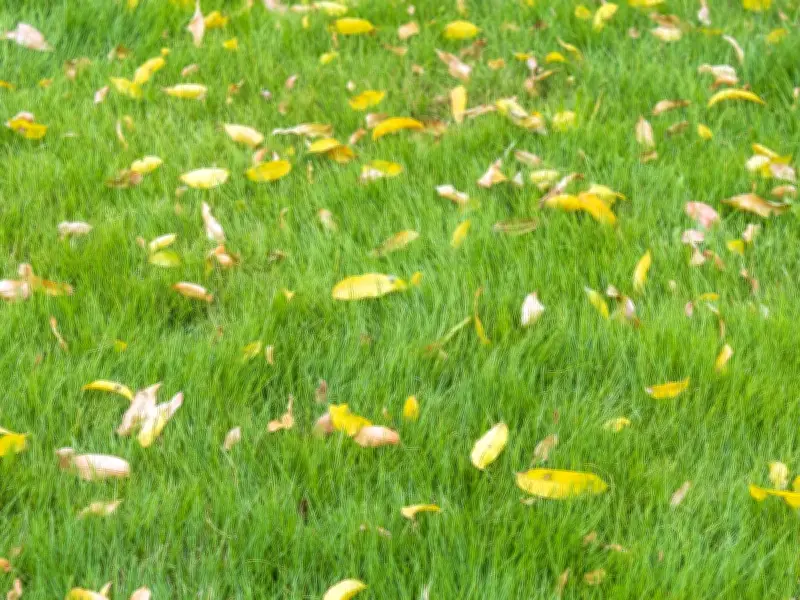
Keeping grass below three inches in November is key to preventing winter lawn diseases, according to gardening experts. Letting it grow taller can smother the turf, trap moisture, and lead to fungal infections.
Why three inches matters
William Mitchell, gardener and owner of Sutton Manor Nursery, listed "continue to mow the lawn" among his top 10 gardening jobs for November. He said, "You would not be alone in thinking that lawns do not grow over the colder months. However, you would be wrong. Even in the colder months, just slightly slow down."
Mitchell warned that an unmanaged lawn can become a "huge eyesore" and suffer lasting damage. He explained: "Letting your lawn grow to a height beyond three inches is where problems may occur; this is because at this height, the grass will struggle to hold itself up. It will then begin to droop onto the surrounding grass and smother it. This can cause the moisture to be trapped, which can result in diseases spreading and fungi."
How to mow in late autumn
As growth slows in cooler temperatures, mowing every couple of weeks is sufficient. Raise the blade to avoid harming the grass plant, since cutting too short can damage the food-carrying parts and cause "permanent damage to the grass."
Avoid mowing wet grass, as the mower may struggle to grip and rip the blades, creating patchy results and leaving the lawn vulnerable to fungal spores. Wet soil also compacts easily when walked on, becoming dense and waterlogged, which stops water draining and leaves grass struggling to breathe.
Timing the final cut
Gardeners should time the last mow by temperature rather than a calendar date. In the UK's cool, wet climate, cool-season grasses grow best between 10C and 24C, and growth effectively stops once temperatures fall consistently below 7C.
Lawn specialists at Online Turf advised that the final mow should coincide with the grass ceasing growth. They said, "If your grass has already stopped growing completely, it is too late to mow, and you should wait until it starts growing again in the spring before mowing."
After the last mow
Once the final cut is done, applying a winter fertiliser is recommended. Feed the lawn with a fertiliser formulated for autumn or winter before the ground freezes, ideally while soil temperature remains above 7C. The feed should contain high levels of potassium and low levels of nitrogen.
Where possible, choose a feed containing iron sulphate. This provides added protection against harsh weather and enhances colour without stimulating unwanted growth.