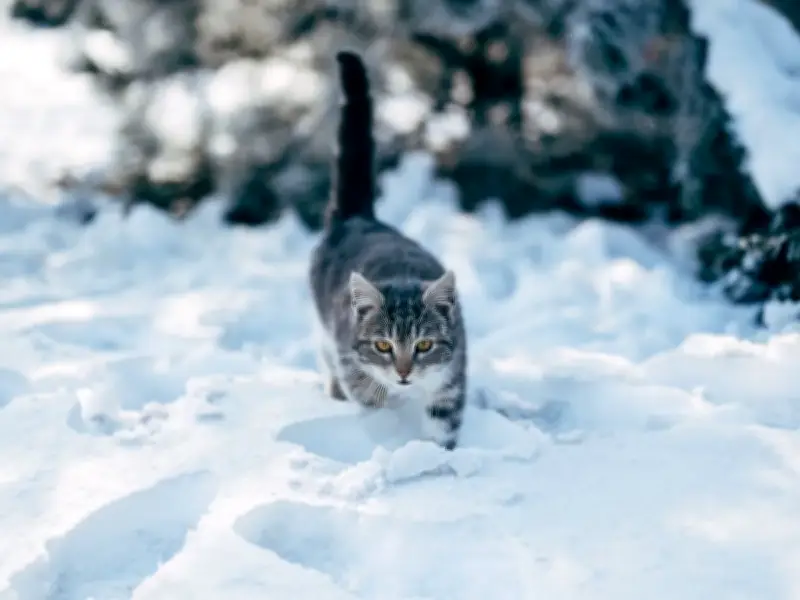
As the Met Office forecasts cold winds, frosty nights, and blustery northern showers across the UK, temperatures are set to drop significantly in the coming days. The RSPCA has reminded pet owners of two dangerous things that could put their cats and dogs at risk.
Overnight temperatures are forecast to drop below 0°C in parts of the UK. The Met Office outlook for Saturday to Monday states that Saturday should "start cold and frosty" while Sunday and Monday bring "more unsettled conditions", with rain and hill snow possible.
RSPCA's winter preparation advice
RSPCA pet welfare specialist Dr Samantha Gaines suggests animal owners start preparing for these conditions as winter settles in. Her advice includes what to avoid and habits to break or start.
She said: "With the first frost approaching many areas this weekend, it's a good idea for pet owners to get prepared now to keep their animals safe and well. After such a lengthy, hot summer, many of us will be digging out our scarves, hats and gloves, and a few tried-and-tested winter tips might have slipped our minds."
She added: "That's why the RSPCA is sharing a simple to-do list with advice to help start the cold season safely. As we all strive to create a better world for every animal, pet owners can share our helpful advice and tips to make sure their own animals, and local wildlife, are kept safe."
Key dangers and safety tips
The RSPCA warns to watch out for antifreeze and rock salt, which are common at this time of year and can be poisonous to pets if consumed. Owners should wipe pets' paws thoroughly after every walk, keep stored products out of reach, and contact a vet immediately if they think their animal has swallowed something harmful.
When walking dogs or exercising horses in the dark, owners should wear reflective clothing and use reflective collars and leads to help motorists spot pets more easily during low-light winter conditions. Wet, blustery walks can leave dogs cold and uncomfortable, so the RSPCA suggests keeping a stack of clean, dry towels by the door and giving pets a good rub-down after walks to help stop them from shivering.
Keeping pets warm and safe
Make sure cats can always access the house or a warm indoor area such as a barn or outbuilding, and keep their sleeping space warm, dry and away from draughts. For dogs, the RSPCA says they should not be kept outside in any weather, and should have a clean, comfortable sleeping area with a safe heat source to keep temperatures above 10°C.
Extra precautions may be needed for more vulnerable animals, such as elderly or unwell dogs, which might benefit from a properly fitted coat or jumper on walks. Owners are also advised to keep dogs away from frozen ponds, lakes and rivers, and to protect pets kept outdoors such as birds in aviaries or horses in fields by adding bedding, blocking wind and rain, and checking shelters, rugs and feet regularly.
To help pets stay warm indoors, provide extra bedding like blankets, towels and spare beds so they can choose the cosiest spot. Outdoor pets need closer monitoring during cold snaps, with guinea pigs ideally brought inside when temperatures drop below 15°C (59°F) and rabbits when temperatures drop below freezing.
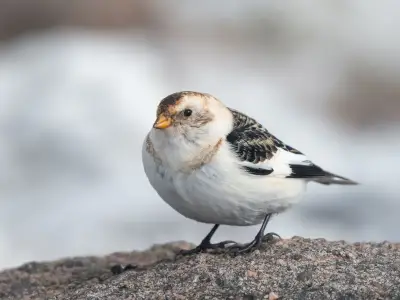
The RSPCA also urges support for local wildlife in winter by keeping bird baths ice-free, putting out fresh water, and offering extra food such as seeds, oats, fruit or mealworms. The charity also urges people to check leaf and wood piles for animals like hedgehogs, frogs and mice before lighting any fires.