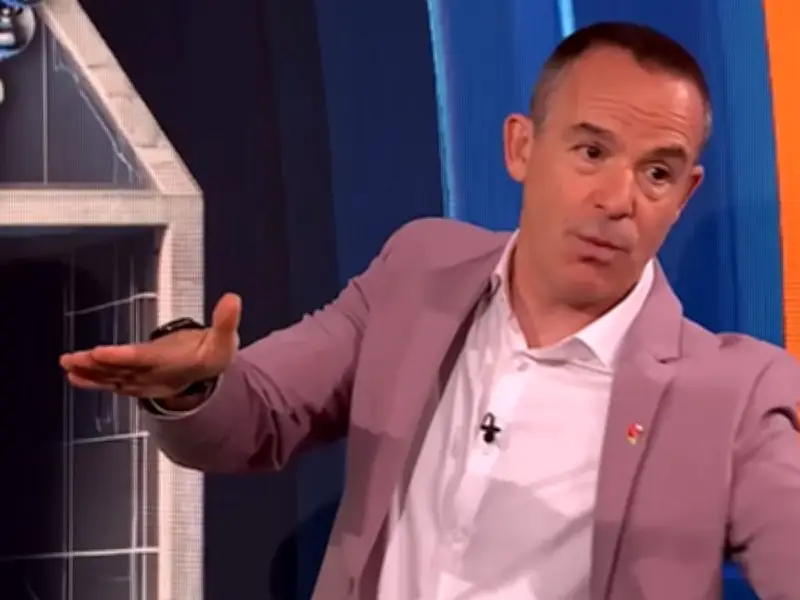
Martin Lewis has warned that millions of people in the United Kingdom could be overpaying on their loans. The money expert said there was a real risk that many people could be “throwing money away” due to the way a loan around five million have is structured.
He made the warning as he spoke to a man from London who was trying to work out how to pay off his debts. Callum, a 32-year-old data consultant from London, spoke to Martin on the Martin Lewis podcast this week.
Callum explained that he had a “conundrum” over what to do with his finances. And Martin’s advice on what to do in his situation had a broader message for listeners to the BBC podcast.
Plan 2 student loan warning
It’s all to do with the so-called plan 2 student loan. According to Student Loan Company data obtained this year by the Financial Times, there are 5.4 million people with plan 2 loans - which Martin said amounted to about three-quarters of outstanding student loan debt.
These loans are controversial because they mainly charge above inflation. The Money Saving Expert website has likened them to a “stealth tax”. The undergraduate loans were taken out between September 1, 2012 and July 31, 2023 in England, and since September 1, 2012 in Wales.
Callum wanted Martin’s advice on whether he should prioritise repaying his student loan or his mortgage. Martin said there was a “really important” caveat when it came to working out whether to overpay on a plan 2 loan.
Earnings dictate repayments
He said it “depends massively on your level or earnings because it is your level of earnings that dictates the amount you repay each year, not your borrowing.” He explained that the loans get wiped after 30 years, and most people will not end up repaying them.
In Callum’s case, he is likely to do so because he is a high earner (on £99,000). But Martin says around 70 per cent of people will not repay in full in the 30 years before the loans wipe.
He said: “In that case, there is the plausible risk that overpaying your student loan will not actually reduce what you pay in the future and therefore will be throwing money away.”
How repayments are calculated
Government guidance says that how much you repay on your student loan depends on your income. This is the amount you earn before tax and other deductions, and includes things like bonuses and overtime.
People repay a percentage of their income over the income threshold for your type of loan - which for plan 2 is 9 per cent. On Thursday, the Department for Education confirmed that the plan 2 threshold was being frozen. This is also controversial as it means more people end up going over the threshold to start repaying due to inflation raising earnings.
The department said the repayment threshold and lower interest rate threshold for Plan 2 loans remains at £29,385 from 6 April 2027 to 5 April 2028. The higher interest rate threshold for Plan 2 loans remains at £52,885, officials confirmed.
Plan 2 loan mechanics
According to the House of Commons library, interest rates on student loans do not affect how much someone must repay each month. Monthly repayment levels are worked out by a borrower’s loan plan, their salary, and the country where they live. Plan 2 borrowers in the UK generally repay 9% of what they earn above the current annual salary repayment threshold of £29,385, the library’s figures show.
Repayments are paused if a borrower’s salary drops below the threshold. They stop after 30 years, at which point any remaining loan balance is written off. In Callum’s case, Martin - a regular on ITV with shows such as the Martin Lewis Money Show - said it would be a sensible idea to overpay on both his mortgage and his student loan - although the mortgage is the most important because if for instance he lost his job he would still have to pay it.