The New World screwworm, a flesh-eating parasite, has been discovered in US wildlife for the first time during the current outbreak. The parasite was found in a female elk killed by a hunter on a game ranch in Pecos County, Texas.
The US Department of Agriculture (USDA) confirmed the discovery on Wednesday amid concerns over the spread of the parasite. New World screwworms are fly larvae which infest wounds and feed on the living flesh of warm-blooded animals.
Discovery and confirmation
The Texas Parks and Wildlife Department (TPWD) said a sample taken from the elk was sent to the USDA Agricultural Research Service's Knipling-Bushland US Livestock Insects Research Laboratory in Kerrville, where the parasite was identified and confirmed.
Alan Cain, TPWD wildlife division director, said: "We encourage all hunters and landowners to be vigilant for signs of New World screwworm while they are out in the field this season."
Warning signs for hunters
Officials have urged hunters to watch for visible maggots in wounds or body openings, foul-smelling injuries and animals which appear weak or lethargic. Other warning signs include infestations around the nose, mouth, ears, eyes or genital areas, as well as open, draining or enlarging wounds.
The USDA warned: "If you see anything suspicious, report it immediately. Fast reporting helps animal health officials respond quickly and helps limit the pest's spread."
Outbreak background
The latest discovery comes months after New World screwworm was first confirmed in a US animal during the current outbreak. The parasite was detected in a calf in Zavala County, Texas, in early June, raising concerns among farmers over the threat it could pose to livestock.
The wider outbreak was first detected in Panama and Costa Rica in 2023 and has since spread through Central America and Mexico, with cases reported in both animals and humans. US authorities have been preparing for possible further infestations, while the Food and Drug Administration has issued emergency use authorisations for drugs to prevent and treat New World screwworm in livestock and pets.
Nature of the parasite
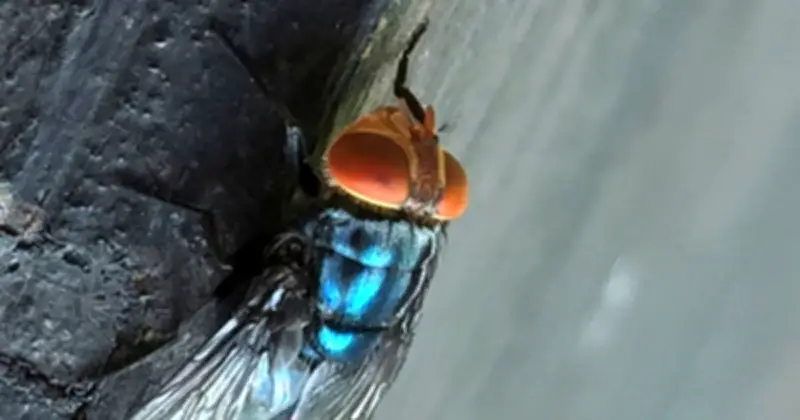
New World screwworm is caused by the larvae of the parasitic fly Cochliomyia hominivorax. Unlike many other fly larvae which feed on dead tissue, New World screwworm larvae feed on the living flesh of warm-blooded animals.
An infestation can begin when a female fly lays eggs in or around an open wound or another vulnerable area of an animal's body. The eggs hatch into larvae, which burrow into the tissue and feed as they grow.
The pest was eradicated from the US in the 1960s following a major programme in which sterile male flies were released to disrupt its breeding cycle. However, New World screwworm was not eradicated globally and continued to exist in parts of South America and the Caribbean. The parasite has since spread north during the current outbreak, which was detected in Panama and Costa Rica in 2023 before advancing through Central America and Mexico and reaching the US.