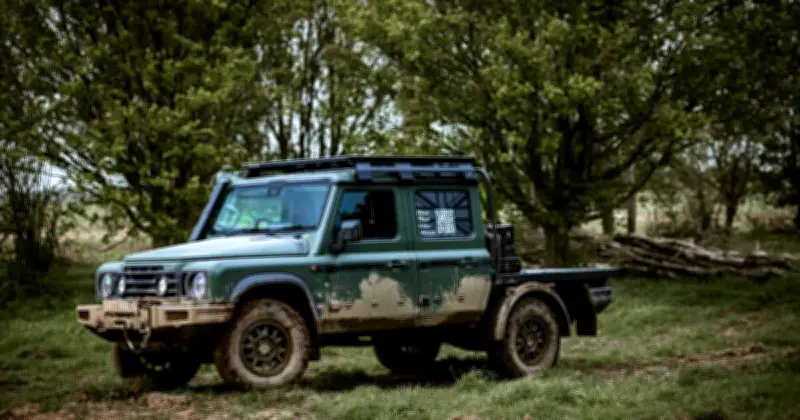
Sir Jim Ratcliffe's INEOS Grenadier is among the finalists competing for a Ministry of Defence (MoD) contract that could see it replace the Land Rover Defender as the British Army's primary 4x4. The deal, estimated to be worth up to £900 million, is part of the Army's Light Mobility Vehicle (LMV) program, which aims to find a single replacement for the classic Land Rover models by 2030.
Contract details and competition
The LMV program will cover around 3,000 vehicles, including patrol, logistics, and reconnaissance trucks, with the eventual winner also set to replace the rest of the Land Rover and Pinzgauer trucks in service. Initially, 14 companies entered the race, but the field has been narrowed to seven finalists, with prototypes to be tested this month.
The Grenadier faces stiff competition, with its biggest rival likely to be the Mercedes G-Wagon, a favorite of celebrities such as Kylie Jenner and Cristiano Ronaldo. Jaguar Land Rover could retain the contract with its latest Defender model, while Toyota has also entered the race with its Land Cruiser.
INEOS advantages
The Grenadier could win on simplicity, with military models designed with just five ECU computer chips compared to over 100 on most modern cars. Additionally, the Grenadier has been engineered to be adapted for specialist configurations, having transitioned from a commercial 4x4 into a certified emergency fleet platform, already receiving Metropolitan Police Test approval.
Mike Whittington, chief commercial officer at INEOS, previously said: “A defining advantage of the industrial collaboration is its British ownership, onshore assembly and local supply chain. It brings strategic benefits in operational independence and resilience with security and regulatory alignment – delivering on the MoD’s core objectives. Grenadier’s unrivalled capability and inherent strength provide an obvious starting point for mission-critical transport.”
Industry and government response
The Grenadier has been praised by the motoring industry, with reviewers admitting the model had "incredible off-road capability." A government spokesperson has previously said: “We are committed to ensuring British industry plays a central role in delivering the next generation of light mobility vehicles expected to be in the hands of soldiers by 2030.”