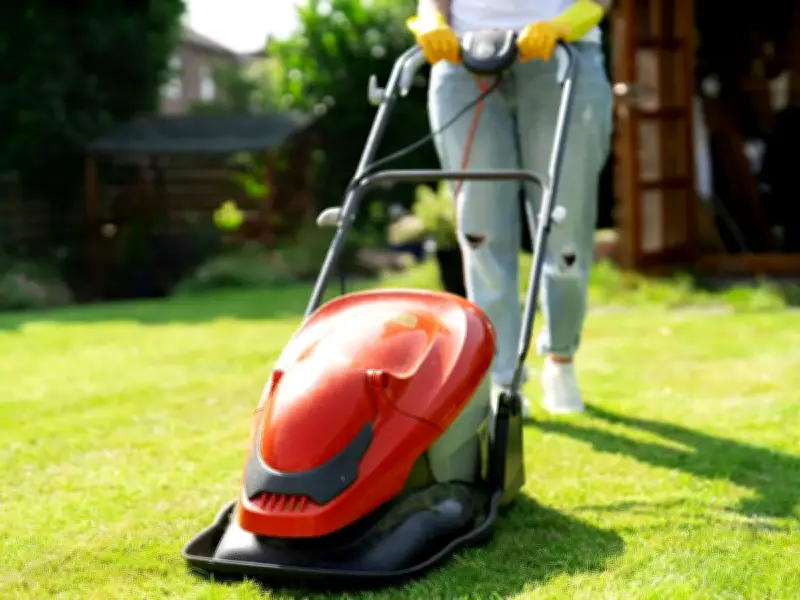
As autumn brings rain and falling leaves, homeowners may be unsure when to give their lawns their final cut of the season. Gardening expert Craig Wilson from Gardeners Dream has shared advice on the best timing to help grass survive winter and thrive again in spring.
Optimal Timing for the Last Mow
Wilson recommends completing the final lawn cut before temperatures fall to seven degrees Celsius or below. At this point, grass growth slows significantly, and lawns remain relatively dormant until growth resumes around March.
The ideal time for the final mow is between late October and the end of November. However, increasingly mild autumn weather may allow homeowners to delay cutting slightly if temperatures remain suitable.
Regional Forecasts and Frost Risks
Forecasts suggest temperatures in England, Wales and Northern Ireland will not drop to seven degrees Celsius or below until December 8. In Scotland, this threshold is expected to arrive earlier, on December 4, giving homeowners across the UK time to finish their lawn care.
Wilson advises keeping a close eye on weather forecasts throughout November to ensure the lawn is cut before the first frost. Cutting too late, once frost arrives, could risk damaging the grass.
Expert Recommendations and Aftercare
To avoid potential weather changes, Wilson recommends completing the final mow before the end of November, even if autumn has been unusually mild. This provides a safer deadline in case temperatures fall sooner than expected.
Gardening experts at Mammotion also recommend mowing between October and early November, before the first frost arrives. They advise leaving the grass slightly longer, around four to five centimetres, to help insulate the soil and protect the delicate crowns of the grass.
After the final cut, Wilson recommends aerating the lawn to reduce the risk of waterlogging and soil compaction during winter. Homeowners can do this by using a garden fork to make small holes in the ground, improving drainage and helping maintain healthier grass.