
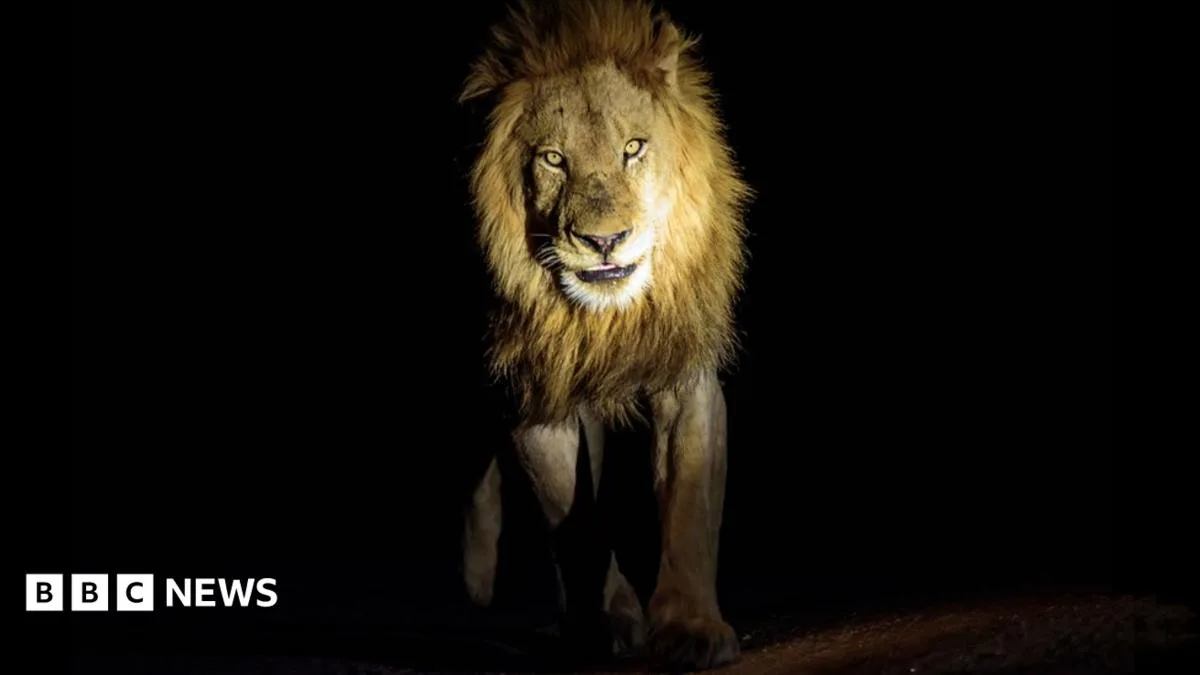
In autumn 1889, a lion that had previously killed a man escaped from Frank C Bostock's travelling menagerie in Birmingham, causing panic as it roamed the streets before descending into the city's sewers. The beast, part of a popular 19th-century travelling exhibition, had jumped over its keeper and pushed through a tear in the circus tent, prowling towards the city centre.
According to Dr Helen Cowie, a historian at the University of York, such escapes were alarmingly common due to menageries' cavalier approach to security. Bostock, a world-famous lion tamer from the Bostock and Wombwell dynasty, later described the event as 'thrilling' in his book The Training of Wild Animals.
As crowds gathered in terror, Bostock devised a ruse: he placed a second lion in a cloth-covered cage and paraded it through the streets, pretending it was the escapee. The crowd cheered him as a hero, and the story was reported worldwide, including in a New Zealand newspaper that ran an article titled 'A lion at large in Birmingham: How the King of the Forest was recaptured'.
However, the real lion remained in the sewer, perambulating up and down. Bostock later admitted he was 'in a perfect bath of cold perspiration'. The following day, the chief of police visited the menagerie to congratulate Bostock on his bravery, only to be stunned when Bostock revealed the truth: the lion was still at large.
Despite the deception, the publicity boosted attendance at Bostock's show that evening, with crowds blissfully unaware of the man-eating lion prowling beneath the streets.




