
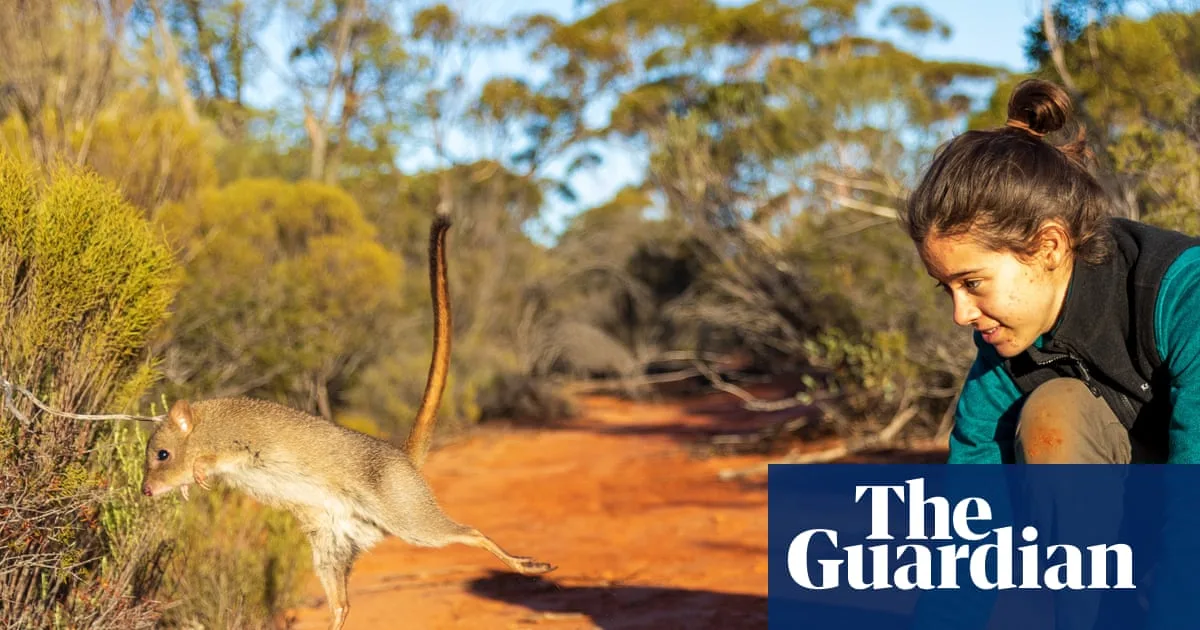
One hundred and forty-seven brush-tailed bettongs, also known as woylies, have been released into the Mount Gibson sanctuary in Western Australia, marking a significant step in the Australian Wildlife Conservancy’s efforts to restore native species. The bettongs, described as 'ecosystem engineers', were released into a cat- and fox-free former sheep farm, where they are expected to help spread seeds and improve soil quality through their digging.
The bettongs were taken from an 8,000-hectare fenced safe haven within the sanctuary, where a population of 162 released in 2015 has grown to about 1,000. With feral cat and fox numbers being managed outside the fence, the conservancy hopes the bettongs will thrive as they did before European introduction of these predators.
The Australian Wildlife Conservancy has successfully reintroduced eight threatened native mammal species to the 130,000-hectare property since 2000, including bilbies, numbats, quolls, and phascogales. The organisation this week announced an ambitious strategy to expand its conservation work to cover about 5% of Australia’s land mass by 2035, up from the current 1.7%.
Chief executive Tim Allard said the goal is necessary to secure Australia’s natural heritage, noting the country’s worst-in-the-world record on mammal extinctions. The conservancy aims to grow its revenue from $40 million to $100 million annually, largely through philanthropy, and has appointed former NSW treasurer Matt Kean to its board to help raise funds.
At Mount Gibson, the released bettongs are being tracked every two days using radio collars on 20 individuals. A team of botanists is also preparing to survey the area to monitor the ecological impact of the reintroduction.




